 By Rohit Mehra
 Somewhere between draining the pot and reaching for the sauce, a lot of home cooks in India instinctively run their pasta under the tap — the same reflex used for rice or rajma. It feels like basic hygiene. But with pasta, that quick rinse quietly undoes half the work the boiling water just did, leaving you with a dish that never quite comes together the way it’s supposed to. Here’s what’s actually happening in that pot, and why the rinse is doing more harm than good.
What Rinsing Actually Washes Away
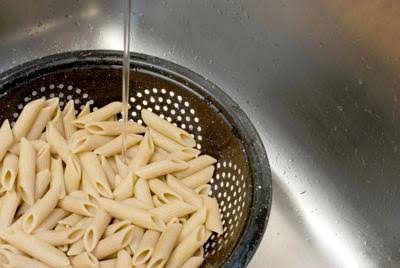
Pasta releases starch into the cooking water as it boils, and that starch isn’t a byproduct to discard — it’s a functional ingredient you’re throwing down the drain.
- The surface of cooked pasta becomes coated in a thin layer of starch during boiling, which acts almost like a natural adhesive
- This starch is exactly what allows sauce to cling to the pasta rather than sliding off into a watery puddle at the bottom of the bowl
- Rinsing under cold or even lukewarm water strips this starchy coating away almost entirely
- Once rinsed, pasta becomes noticeably slicker and smoother on the surface, which sounds pleasant but actually works against you the moment sauce enters the picture
Why This Ruins the Sauce-to-Pasta Bond
Italian cooking technique treats pasta and sauce as one combined dish, not two separate components plated together, and rinsing breaks that entire relationship.
- Unrinsed, starchy pasta grips onto sauce, allowing even a thin, light sauce to coat every strand evenly
- Rinsed pasta, stripped of its starch, lets sauce pool at the bottom of the bowl instead of clinging to the noodles themselves
- This is particularly noticeable with oil-based or cream-based sauces, which struggle to adhere to a smooth, rinsed surface
- Restaurants and experienced home cooks often finish pasta directly in the sauce pan for a minute or two specifically to let the starch bond the two together — a step that becomes pointless if the pasta was rinsed beforehand
The Temperature Problem Rinsing Creates
Beyond texture, rinsing also interferes with how evenly your pasta finishes cooking and how well it holds heat once served.
- Freshly boiled pasta continues cooking slightly from residual heat even after draining, a factor many recipes actually account for
- Rinsing with cold water abruptly stops this residual cooking, which can leave the pasta at a different texture than the recipe intended
- It also cools the pasta down significantly before it even reaches the sauce or your plate, meaning your finished dish starts lukewarm rather than hot
- Reheating rinsed, cooled pasta later often results in a mushier, less appealing texture than pasta that was tossed hot directly into sauce
When Rinsing Is Actually the Right Move
Despite the general rule, there are a handful of genuine exceptions where rinsing pasta makes sense rather than working against you.
- Cold pasta salads: Rinsing stops the cooking process quickly and cools the pasta down, which is exactly what a mayo or vinaigrette-based salad needs
- Lasagna sheets: Rinsing prevents the sheets from sticking together in a clump before you’re ready to layer them
- Stir-fried noodle dishes: A quick rinse can prevent excessive stickiness when noodles need to separate easily in a hot wok
- Outside these specific cases, rinsing before tossing pasta into a hot sauce or serving it warm generally works against the dish rather than improving it
What to Do Instead of Rinsing
If your instinct is to rinse out of habit, a few alternative techniques address the same underlying concerns without sacrificing the starch that makes pasta work.
- Reserve a cup of the starchy pasta cooking water before draining — this liquid is genuinely useful for loosening thick sauces or helping them bind better to the pasta
- Drain the pasta and immediately toss it into the sauce pan while both are still hot, letting the starch and heat work together to create a cohesive dish
- If you’re not serving immediately, toss the drained pasta with a small amount of olive oil to prevent sticking, rather than rinsing it under water
- For make-ahead meal prep, slightly undercooking the pasta before storing helps prevent it from turning mushy once reheated later
Common Misconceptions Behind the Rinsing Habit
Understanding why this habit persists despite working against good results helps explain why so many home cooks still default to it.
- Many people rinse pasta out of the same instinct used for rice, assuming all starchy foods need the same treatment, when the two behave very differently in a finished dish
- Some believe rinsing removes excess “stickiness” as a hygiene step, when in reality that stickiness is functional rather than a flaw
- Older cookbooks and recipes sometimes recommended rinsing more liberally, a practice that’s since been widely reconsidered by chefs and food scientists
- The habit often gets passed down simply because it’s how someone was taught, without anyone questioning whether it actually improves the final dish
Frequently Asked Questions
Q. Does rinsing pasta prevent it from sticking together while it cools?
Yes, but that stickiness is exactly what helps sauce adhere later, so preventing it works against the dish unless you’re specifically making a cold pasta salad.
Q. Is it okay to rinse pasta if I’m not adding sauce right away?
Tossing it in a little olive oil is a better fix than rinsing, since it prevents sticking without stripping the starch you’ll still want later.
Q. Does rinsing pasta reduce its calorie or carb content?
No, rinsing removes surface starch, not the pasta’s actual nutritional content, which is baked into the noodle itself during cooking.
Q. Should I rinse pasta before adding it to a baked dish like mac and cheese?
No, the starch actually helps the cheese sauce bind better to the pasta in baked dishes too, so skip rinsing here as well.