 By Rohit Mehra
 Somewhere along the way, carbonara picked up a reputation problem outside Italy — heavy cream, sometimes a splash of milk, occasionally even mushrooms thrown in for good measure. None of that belongs anywhere near the actual dish. Real Roman carbonara has exactly five ingredients, no cream in sight, and the silky sauce everyone associates with the dish comes entirely from eggs, cheese, and pasta water working together. It’s simpler than most recipes make it look, and also easier to ruin if you don’t understand what’s actually happening in the pan. Here’s how it’s genuinely done.
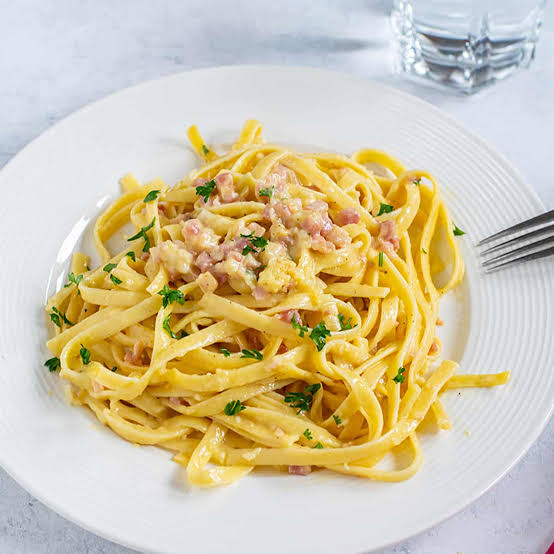
What Actually Goes Into Real Carbonara
Before technique, it helps to know exactly what belongs in the dish and what doesn’t.
- Guanciale: Cured pork cheek, the defining ingredient of authentic carbonara, offering a richer, fattier flavor than bacon or pancetta
- Pecorino Romano: A sharp, salty sheep’s milk cheese, grated fine, forming the backbone of the sauce alongside the eggs
- Whole eggs and egg yolks: The combination that creates the sauce’s texture — typically whole eggs plus a few extra yolks for richness
- Black pepper: Coarsely cracked, adding sharp heat that cuts through the richness of the egg and cheese
- Pasta: Traditionally spaghetti or rigatoni, cooked in well-salted water that later becomes part of the sauce itself
- Notably absent: cream, garlic, onion, or oil — none of these appear in a traditional Roman recipe
Why Cream Was Never Necessary
Understanding why cream doesn’t belong explains the entire technique behind making the dish correctly.
- The creaminess in carbonara comes from an emulsion — beaten eggs and grated cheese combined with starchy pasta water, not dairy fat
- Cream masks the more delicate egg-and-cheese flavor and makes the dish heavier and less balanced than the traditional version
- Adding cream is largely a workaround for cooks worried about scrambling the eggs, since cream is more forgiving of heat mistakes than a pure egg emulsion
- Once you understand the actual technique for building the emulsion properly, cream becomes entirely unnecessary as a safety net
Preparing the Guanciale
This step sets the flavor foundation for the entire dish, so it’s worth doing properly rather than rushing.
- Cut guanciale into small strips or cubes, roughly matchstick-sized, so it renders evenly and crisps at the edges
- Cook it slowly in a cold pan over medium-low heat with no added oil, since guanciale releases plenty of its own fat as it renders
- Take your time here — rushing with high heat burns the exterior before the fat has properly rendered out
- Once golden and crisp at the edges but not hard, remove the pan from heat and set it aside, keeping the rendered fat in the pan for later
Building the Egg and Cheese Mixture
This is the component that becomes your sauce, and getting the ratio right determines whether it turns silky or scrambled.
- Whisk whole eggs and extra egg yolks together in a bowl, separate from the heat entirely
- Add finely grated Pecorino Romano directly into the egg mixture and whisk until it forms a thick, pale paste
- Season generously with coarsely cracked black pepper at this stage, since it distributes more evenly mixed in now than sprinkled on top later
- The mixture should look like a smooth, slightly grainy paste before it ever touches the pasta — this pre-mixing step is what prevents scrambling later
Cooking the Pasta and Bringing It Together
The final assembly happens off direct heat, which is the single most important technical detail in the entire process.
- Cook pasta in generously salted, boiling water until just short of al dente, since it will finish cooking slightly in the pan
- Reserve at least a cup of the starchy pasta water before draining, since this is essential for loosening the sauce later
- Add the drained, hot pasta directly into the pan with the rendered guanciale fat, tossing to coat it thoroughly, with the pan off the heat
- Let the pasta cool for roughly 30-60 seconds before adding the egg mixture, since pouring it in while the pan is too hot is exactly what scrambles the eggs
Emulsifying the Sauce Correctly
This is the step that separates good carbonara from a plate of accidentally scrambled eggs, and it’s entirely about temperature control.
- Pour the egg and cheese mixture into the pasta while continuously tossing, away from direct heat, letting residual warmth from the pasta gently cook the eggs into a sauce
- Add reserved pasta water gradually, a splash at a time, tossing constantly until the sauce turns glossy and coats the pasta smoothly
- If the mixture looks too thick or starts clumping, add more pasta water; if it looks too thin, keep tossing off-heat to let it thicken slightly further
- Work quickly and confidently once you start combining — hesitating or letting the pan sit still for too long increases the risk of the eggs setting unevenly
Serving It the Right Way
The final touches matter almost as much as the cooking technique itself.
- Serve carbonara immediately, since the sauce continues to thicken as it sits and can turn gummy if left too long before eating
- Top with additional grated Pecorino Romano and a fresh crack of black pepper right before serving
- Avoid reheating leftovers directly on high heat, since this will scramble the eggs; gentle, low warming with a splash of water works better if reheating is unavoidable
- Resist the urge to add cream, garlic, or parsley for authenticity’s sake — the traditional recipe is intentionally minimal
Frequently Asked Questions
Q. Can I use bacon or pancetta if I can’t find guanciale?
Yes, though the flavor changes noticeably. Pancetta is the closer substitute; bacon works but adds a smokiness that’s not traditional.
Q. Why did my eggs scramble even though I took the pan off the heat?
The pasta itself was likely still too hot when you added the eggs. Let it cool slightly longer before combining next time.
Q. Is Parmesan an acceptable substitute for Pecorino Romano?
It works in a pinch, but Pecorino’s sharper, saltier profile is what defines carbonara’s traditional flavor.
Q. How much pasta water do I actually need?
Start with less than you think, adding gradually. It’s easier to loosen a sauce with more water than to fix one that’s too thin.