 By Saurav Mehra
 A college football player in Kolkata genuinely rolls his ankle stepping awkwardly during a Sunday match, and within minutes it’s swollen, painful, and he genuinely can’t decide whether to walk it off or head straight to the hospital. This exact moment plays out constantly across India, ankle sprains genuinely rank among the most common injuries anyone experiences, yet most people genuinely understand surprisingly little about what’s actually happening inside this small, hardworking joint that carries your entire body weight through every single step.
Here’s why these facts genuinely deserve your attention beyond casual curiosity: ankle injuries affect an enormous number of people annually, certain groups genuinely face considerably higher risk than others, and understanding the genuine difference between injury types matters enormously for getting the right treatment and avoiding a frustrating cycle of repeated sprains.
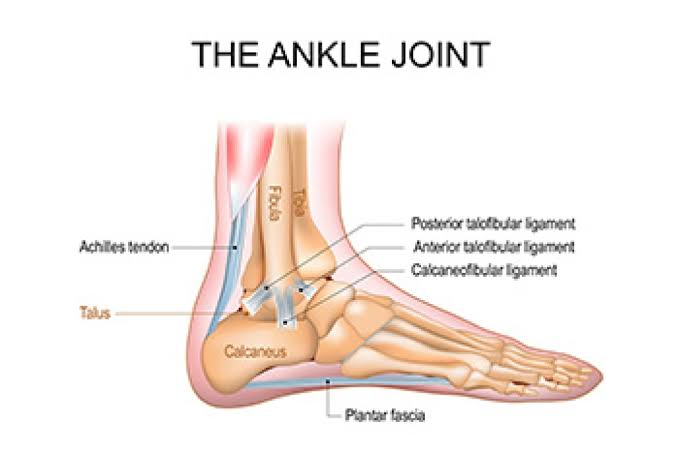
1. Your Ankle Is Genuinely Where Three Bones Meet
This structure genuinely explains the joint’s complexity and vulnerability. The ankle is where three bones meet, the tibia and fibula of your lower leg connecting with the talus bone of your foot, all held together at the ankle joint by ligaments, strong elastic bands of connective tissue that keep the bones properly positioned while still allowing normal ankle movement. This three-bone junction genuinely makes the ankle considerably more complex than a simple hinge joint, contributing to why injuries here can genuinely affect multiple structures simultaneously.
2. Ankle Sprains Genuinely Rank Among the Most Common Injuries Anywhere
This isn’t exaggeration, ankle sprains genuinely represent one of the most frequently occurring injuries, with tens of thousands of people spraining an ankle every single day across large populations. Half of all ankle sprains genuinely occur during athletic activity specifically, making sports involving quick direction changes, basketball, football, badminton, tennis, particularly genuine risk factors for this common injury.
3. Most Sprains Genuinely Happen When Your Foot Rolls Inward
This specific mechanism, called an inversion injury, genuinely accounts for the vast majority of ankle sprains, occurring when the foot rolls inward and the ligaments on the outside of the ankle become overstretched. This genuinely explains why most sprains cause pain and swelling specifically on the outer side of your ankle rather than the inner side, since that’s genuinely where the overstretched ligaments sit following this common rolling motion.
4. A “High Ankle Sprain” Genuinely Represents a Different, More Serious Injury
This distinction matters considerably for understanding your recovery timeline. A high ankle sprain injures the strong ligaments connecting your two lower leg bones just above the ankle joint itself, typically occurring when the foot is planted and the leg twists outward, a motion genuinely common in football, soccer, basketball, and skiing. Because this injury affects stabilising ligaments above the standard ankle joint, it often genuinely causes more pain and takes considerably longer to heal than a typical ankle sprain, sometimes even placing additional stress on the knee joint above it.
5. Young Men and Older Women Genuinely Face Different Risk Patterns
This demographic pattern genuinely surprises many people. Men between 15 and 24 years old genuinely show higher rates of ankle sprain, while women older than 30 genuinely show higher rates compared to men in that same older age bracket. This shift genuinely reflects how injury patterns change across life stages, younger men’s higher rates likely connect to more intense athletic activity, while women’s rising rates past 30 may genuinely relate to different biomechanical and hormonal factors affecting joint stability over time.
6. Naturally Loose Ligaments Genuinely Increase Your Sprain Risk
This is worth knowing if you’ve noticed you seem more prone to ankle injuries than others around you. Ligamentous laxity, naturally loose ligaments, genuinely makes the ankle less stable and more susceptible to spraining, since these looser connective tissues simply don’t hold the joint as firmly in place during sudden movements. This genuine anatomical variation means some people are naturally more injury-prone regardless of how careful they are during physical activity.
7. Most Sprains Genuinely Heal Within Six to Eight Weeks Without Surgery
This genuinely reassuring fact matters for anyone worried about a recent sprain. Most sprains heal with non-surgical care in six to eight weeks, though severe injuries may genuinely take longer or occasionally require surgical intervention. This timeline genuinely reinforces why patience during recovery matters, rushing back to full activity before ligaments have genuinely healed properly is precisely what leads to the recurring sprain problem many people experience.
8. The PRICE Method Genuinely Remains the Standard First-Response Treatment
Protection, rest, ice, compression, and elevation, collectively known as PRICE, genuinely represents the recommended immediate approach for reducing pain and swelling following a sprain, followed by rehabilitation to restore strength and movement. This genuinely simple, accessible treatment protocol works well for most sprains, though it’s worth avoiding heat, alcohol, and massage specifically during the first 48 hours, since these can genuinely worsen swelling rather than help.
9. Recurring Ankle Sprains Genuinely Often Trace Back to Incomplete Rehabilitation
This is genuinely important for anyone who’s sprained the same ankle multiple times. Insufficient rehabilitation from previous sprains can lead to weak muscles surrounding the ankle joint, particularly on the outside, alongside a decreased ability to sense where your foot is positioned relative to your leg, called a proprioceptive deficit. This means skipping proper rehabilitation exercises after an initial sprain genuinely sets you up for a frustrating cycle of repeated injuries to the same weakened joint.
10. Ankle Joint Replacement Genuinely Succeeds Less Reliably Than Hip or Knee Replacement
This is worth knowing if you’re dealing with chronic ankle arthritis, since it genuinely shapes treatment recommendations differently than for other joints. Post-traumatic arthritis of the ankle is quite common following fractures and sprains, and since arthroplasty in this joint is genuinely far less successful compared to hip and knee replacement, prevention through proper initial injury treatment genuinely matters more here than in almost any other joint, making getting that first sprain or fracture treated correctly considerably more important for your long-term joint health.
Frequently Asked Questions
Q1. How do I genuinely know if my ankle injury is a sprain or a broken bone?
Severe sprains and fractures genuinely share similar symptoms, pain, swelling, and difficulty bearing weight, meaning if you’re unable to stand or walk on the affected ankle, or pain and swelling persist for more than a few days, you should genuinely see a doctor for proper diagnosis rather than assuming it’s just a simple sprain.
Q2. Why do I genuinely keep spraining the same ankle repeatedly?
This commonly happens due to incomplete rehabilitation after a previous sprain, leaving surrounding muscles weak and reducing your ability to sense your foot’s position accurately, both factors that genuinely make the same ankle considerably more vulnerable to repeat injury without proper strengthening exercises.
Q3. Is it genuinely safe to walk on a sprained ankle right after it happens?
This depends on severity, mild sprains often don’t need special treatment beyond initial PRICE care, but severe sprains may genuinely require crutches or even a short period of immobilisation in a boot or cast, making it worth having a doctor assess the severity before deciding how much weight-bearing is genuinely safe.
Q4. Why does a high ankle sprain genuinely take longer to heal than a regular ankle sprain?
High ankle sprains affect the stabilising ligaments above the ankle joint itself rather than the more commonly injured ligaments on the outer ankle, and because these ligaments play a more significant structural role during movement, they genuinely require a longer, more careful healing process compared to typical sprains.