 By Saurav Mehra
 A courier rings the bell while you’re stuck in traffic across town, and instead of missing the delivery entirely, you genuinely answer through your phone, see exactly who’s standing at your door, and even ask them to leave the package safely. Meanwhile, a separate camera covering your gate genuinely records every vehicle and person passing through, footage you’d never think to check unless something actually went wrong. These two devices genuinely solve entirely different problems, and understanding this distinction matters enormously before you decide where to spend your home security budget.
Here’s why this comparison genuinely deserves a more nuanced answer than simply picking one winner: CCTV and smart doorbells aren’t genuinely competing products, they’re complementary layers in a properly designed security system, and the honest expert advice consistently points to combining both rather than choosing exclusively one over the other. Understanding exactly what each genuinely protects, and why real security experts recommend layering rather than picking a single device, matters more than finding a definitive winner.
Why a Smart Doorbell Genuinely Excels at Entry Point Interaction
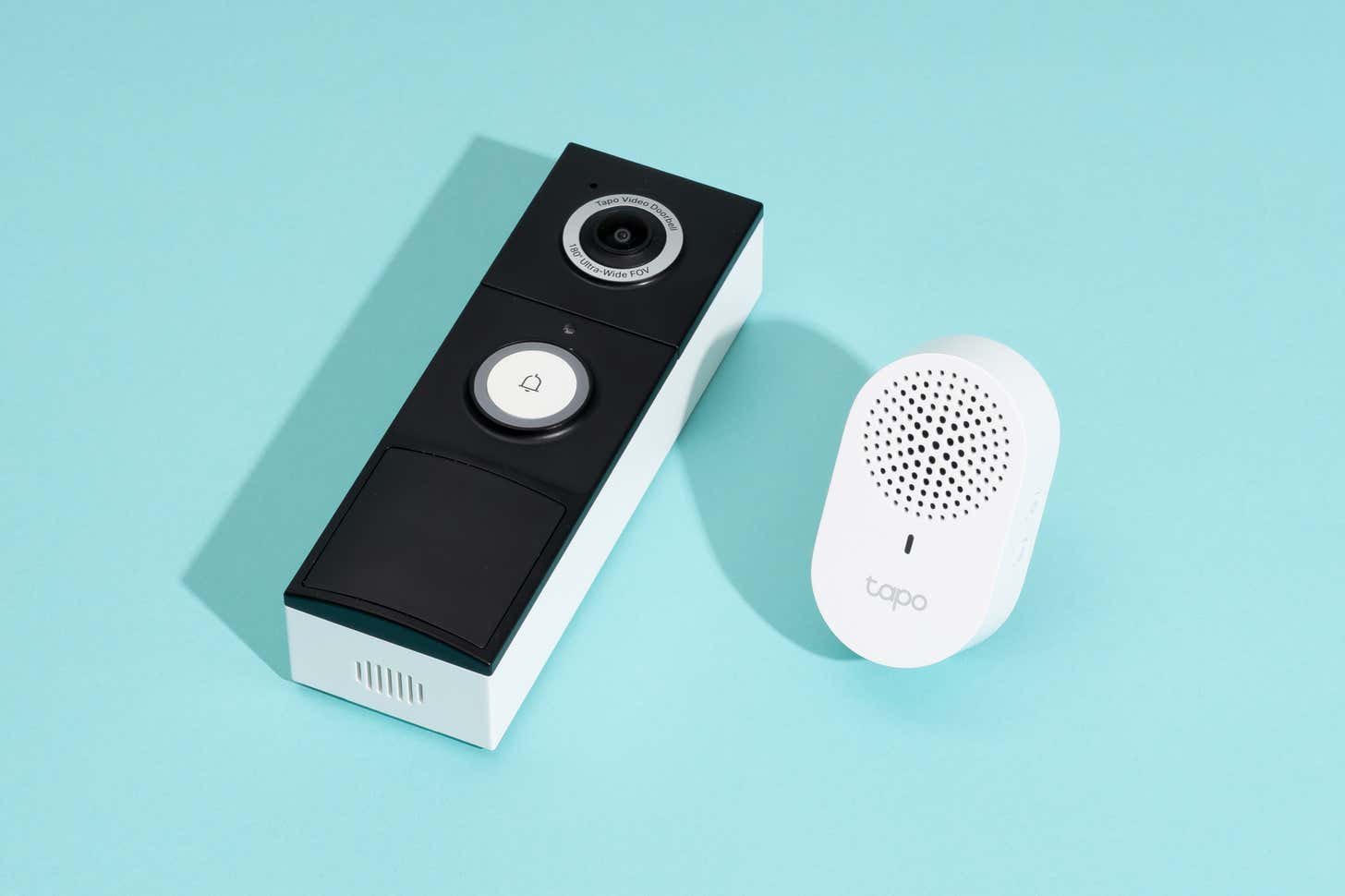
This is genuinely the smart doorbell’s core, irreplaceable function. A smart doorbell lets you see and speak with whoever’s at your door remotely, checking who’s there before opening it, and crucially, doing this even when you’re not physically home. This genuinely matters for exactly the situations that catch homeowners off guard, verifying a delivery person’s identity, screening unexpected visitors, or simply seeing that a family member arrived safely, all without needing to physically walk to your door or even be in the building.
This interactive capability is precisely what CCTV cameras genuinely lack, a typical security camera records footage passively, but it doesn’t let you have a two-way conversation with someone standing at your entrance, making the smart doorbell genuinely irreplaceable for this specific, interactive use case regardless of how many cameras you’ve installed elsewhere.
Why CCTV Genuinely Provides the Broader Coverage a Single Doorbell Cannot
It’s genuinely worth being clear about CCTV’s distinct strength here. A doorbell camera genuinely covers just one specific viewpoint, your front entrance, while CCTV cameras can genuinely monitor your gate, compound, backyard, parking area, and interior spaces simultaneously, providing the kind of comprehensive perimeter coverage that a single doorbell simply cannot replicate regardless of how sophisticated its individual camera might be.
For homes with multiple entry points, boundary walls, or larger compounds, CCTV genuinely becomes essential precisely because intruders don’t only approach through your front door, a scaled back gate, a ground-floor window, or a compound wall genuinely represents equally viable entry points that only a properly positioned multi-camera CCTV system can adequately monitor.
Why Real Security Experts Genuinely Recommend Layering Rather Than Choosing One
This is genuinely the most important insight in this entire comparison, and it deserves emphasis over any single “winner” declaration. Real security experts consistently advise building protection in layers, something to deter, something to detect, something to delay, and someone or something to respond, rather than investing everything in just one device type. The genuinely honest, expert-backed recommendation states that a wired video doorbell, contact sensors on your entry points, a siren, and one or two well-placed cameras will protect the average Indian home far better than a dozen cameras and nothing else covering your entrance interaction.
This means the smartest approach genuinely isn’t “CCTV versus smart doorbell,” it’s understanding that a doorbell handles your primary entry point’s interactive verification, while strategically placed CCTV cameras cover the broader perimeter and interior spaces a doorbell simply can’t see, together forming a genuinely complete system rather than either option alone.
Understanding the Genuine Cost Comparison
Smart doorbells in India genuinely span a wide range, from roughly ₹450 for basic wireless chimes without video, up to ₹16,999 for premium smart video doorbells with AI motion detection and cloud storage. CCTV systems genuinely vary even more dramatically depending on scale, a single WiFi security camera starts from just ₹1,299 for basic self-installed monitoring, while a professional wired CCTV installation with multiple cameras, cables, and a proper recording device typically costs ₹15,000 to ₹25,000, and larger villa installations with 6 to 8 cameras plus NVR storage can genuinely reach considerably higher figures.
This cost spread genuinely means most households can start with a single smart doorbell covering their main entrance for a relatively modest investment, then gradually expand into CCTV coverage for additional entry points and perimeter areas as budget allows, rather than needing to invest in a comprehensive system all at once.
Why AI Features Genuinely Reduce False Alarms in Modern Systems
This matters considerably for anyone who’s ever experienced a security system crying wolf constantly. Modern CCTV systems increasingly include AI-based human and vehicle detection that dramatically reduces false alarms from animals, rain, or leaves moving in the wind, genuinely solving the frustrating problem of constant notifications for non-events that eventually leads people to ignore or mute their security alerts entirely. Similarly, quality smart doorbells now genuinely distinguish between a passing cat and an actual visitor approaching your door, ensuring the alerts you receive are genuinely meaningful rather than constant background noise you eventually tune out.
Why Someone Actually Responding Genuinely Matters More Than the Camera Itself
This is worth internalising as the honest final consideration. A camera does not stop a break-in, it records one, meaning the genuine value of any security system, whether doorbell, CCTV, or both combined, depends entirely on whether you or a monitoring service will actually respond when an alert comes through. Investing in sophisticated hardware while ignoring the response element genuinely means you’ve built expensive theatre rather than actual protection, making a realistic plan for who checks alerts and responds to them just as important as which devices you’ve chosen to install.
Frequently Asked Questions
Q1. Should I install a smart doorbell first, or start with CCTV cameras for my home?
Most security experts genuinely recommend starting with your front entrance, a smart doorbell plus contact sensors, since intruders typically start at the gate and doors, then expanding into CCTV coverage for your perimeter and other entry points as your budget allows.
Q2. Can a smart doorbell genuinely replace CCTV cameras entirely for a small apartment?
For a compact apartment with a single entry point, a good smart doorbell combined with perhaps one indoor camera can genuinely provide adequate coverage, though larger homes with multiple entrances, compound walls, or parking areas genuinely need broader CCTV coverage that a single doorbell cannot provide.
Q3. Why do some security systems generate so many false alarms, and how do I avoid this?
Basic cameras without AI detection often trigger alerts for animals, rain, or wind-blown leaves, choosing systems with AI-based human or vehicle detection genuinely reduces these false alarms significantly, making your alerts considerably more meaningful and less likely to be ignored over time.
Q4. Is it genuinely worth paying extra for a wired CCTV system over a WiFi camera setup?
For a comprehensive, permanent installation, wired systems generally offer more stable performance and don’t count against your WiFi device limit, while WiFi cameras genuinely offer easier self-installation and lower upfront cost, making the right choice depend on whether you’re building a permanent, larger system or a simpler, more flexible setup.