 By Rohit Mehra
 Ask ten home cooks which pan sears a better steak, and you’ll get ten confident, contradictory answers, usually delivered with the certainty of someone who’s never actually run the comparison side by side. Both pans genuinely can produce a great crust. They just get there differently, and the pan that’s “better” depends entirely on what kind of cook you are and what you’re actually optimizing for. Here’s an honest look at both, without the tribal loyalty either camp usually brings to the argument.
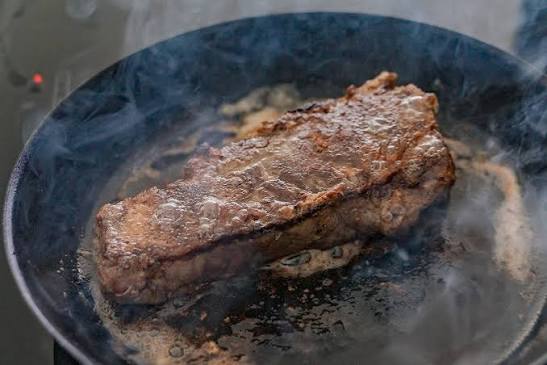
Heat Retention: Cast Iron’s Biggest Advantage
This is where cast iron’s reputation comes from, and it’s genuinely earned rather than just folklore.
- Cast iron holds heat exceptionally well once it’s properly preheated, thanks to its thick, dense construction
- When a cold steak hits the pan, cast iron loses less temperature than stainless steel does, meaning it recovers to searing temperature faster
- This matters most when cooking multiple steaks in sequence or searing a particularly thick, cold cut straight from the fridge
- The trade-off is that cast iron takes considerably longer to heat up initially — often 8-10 minutes to reach proper searing temperature versus stainless’s faster warm-up
Heat Distribution: Where Stainless Actually Wins
Cast iron’s reputation for even heating is somewhat overstated, and this is one area where stainless genuinely performs better.
- Cast iron heats unevenly across its surface, often running noticeably hotter directly above the burner and cooler toward the edges
- Quality stainless steel pans, particularly those with an aluminum or copper core sandwiched between steel layers, distribute heat far more evenly across the entire cooking surface
- This matters if you’re searing a large steak that spans most of the pan’s surface, since uneven cast iron heat can mean uneven crust development across the same piece of meat
- For smaller, individual steaks cooked one at a time, this distribution difference matters less, since the steak sits mostly within the hottest zone regardless
Reading the Crust: Stainless Gives You Visual Feedback
This is a genuinely underrated practical advantage that rarely gets mentioned in the cast iron versus stainless debate.
- Stainless steel’s lighter surface lets you actually see the fond developing — the browned bits building up on the pan floor — giving real-time visual feedback on how the sear is progressing
- Cast iron’s dark, seasoned surface makes it much harder to judge crust development by sight, forcing you to rely more on smell, sound, and time rather than visual cues
- This matters more for less experienced cooks still calibrating their sense of when a steak is properly seared versus for someone who’s cooked hundreds of steaks and can judge by feel alone
- The visible fond in stainless steel pans also makes pan sauces easier to build afterward, since you can see exactly how much fond has developed before deglazing
Reactivity and Cleanup
This is where the practical, day-to-day differences between the two materials become genuinely significant.
- Stainless steel is non-reactive, meaning it won’t interact with acidic ingredients like wine or tomatoes when building a pan sauce after searing
- Cast iron can react with acidic ingredients, sometimes imparting a metallic taste and stripping seasoning if acidic sauces sit in the pan too long
- Cast iron requires ongoing seasoning maintenance, avoiding soap in some traditions, and careful drying to prevent rust — genuinely more upkeep than most stainless pans
- Stainless steel can go straight into the dishwasher and handle standard soap and scrubbing without any of cast iron’s maintenance rituals
Weight and Practicality in Daily Use
The physical handling differences matter more than people expect once you’re actually cooking dinner on a weeknight.
- Cast iron is considerably heavier than a comparable stainless steel pan, which affects everything from one-handed tossing to simply lifting it off the stove
- That weight is part of why cast iron retains heat so well, but it’s a genuine trade-off for anyone with limited grip strength or who cooks frequently and doesn’t want to wrestle a heavy pan daily
- Stainless steel pans are typically easier to maneuver, tilt for basting, and maneuver in and out of a hot oven if finishing a thick steak with a reverse sear
- For anyone cooking steak only occasionally, this practicality difference matters less than for someone searing multiple times a week
Oven Compatibility for the Reverse Sear
Both materials handle oven use well, but there are still small differences worth knowing if your method involves finishing in the oven.
- Both cast iron and quality all-metal stainless pans are fully oven-safe at the high temperatures a reverse sear or oven-finish method typically requires
- Cast iron’s heat retention means it continues cooking the steak slightly even after being pulled from the oven, which can be either helpful or a source of overcooking if you’re not accounting for carryover
- Stainless steel cools faster once removed from heat, giving slightly more precise control over exactly when cooking actually stops
- Neither material has a meaningful disadvantage here — this comes down more to personal preference for how much residual cooking you want to factor in
Which One Should You Actually Buy
Given all of this, the honest answer is that the “better” pan depends on your actual cooking habits, not an objective universal winner.
- If you sear steak regularly, want maximum heat retention for consecutive cooks, and don’t mind the maintenance, cast iron is the better long-term tool
- If you value even heating, visual feedback during cooking, easier pan sauces, and simpler cleanup, stainless steel is the more practical everyday choice
- Many serious home cooks eventually own both, using cast iron for dedicated high-heat searing and stainless for everything requiring sauce-building or more delicate heat control
- Neither pan is a downgrade from the other — they’re simply optimized for slightly different priorities within the same basic task
Frequently Asked Questions
Q. Which pan actually gets a better crust overall?
Both can achieve excellent crusts. Cast iron’s heat retention gives a slight edge for consecutive cooks, but a well-heated stainless pan performs comparably for a single steak.
Q. Is cast iron really non-stick once seasoned?
Reasonably, yes, though not to the level of dedicated non-stick cookware. A properly seasoned pan releases food well but still benefits from adequate oil.
Q. Can I make a pan sauce in cast iron after searing?
Yes, but avoid leaving acidic ingredients sitting too long, since this can strip seasoning and affect flavor over repeated use.
Q. Does pan choice actually matter more than steak quality?
No. Starting with a good cut, properly dried and brought closer to room temperature, matters more than which pan you use to sear it.