 By Saurav Mehra
 A 42-year-old accountant in Hyderabad genuinely gets his annual health checkup and learns his blood sugar sits right at the prediabetes threshold, a genuinely pivotal moment his doctor describes as still reversible, unlike full-blown diabetes which typically requires lifelong management. This exact moment, catching the condition at its earliest, still-fixable stage, genuinely represents the difference between a temporary lifestyle wake-up call and decades of medication, and understanding where India’s diabetes crisis genuinely stands right now helps you recognise exactly where you or your family members might fall on this spectrum.
Here’s why these facts genuinely deserve your attention beyond casual interest: India genuinely houses one of the world’s largest diabetic populations, and the numbers are genuinely projected to climb considerably higher in coming decades, making understanding your own risk, and the genuine window for prevention, more urgent than most people realise.
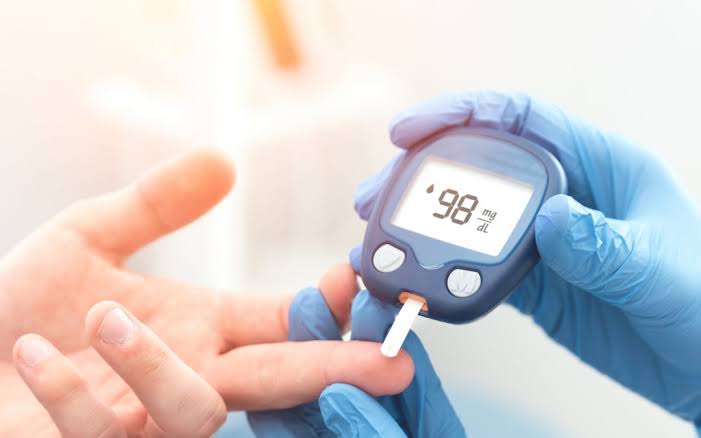
1. Nearly 77 Million Indians Genuinely Had Diabetes as of 2019
This figure genuinely captures the staggering current scale of India’s diabetes burden. Estimates from 2019 genuinely showed 77 million individuals had diabetes in India, and this number is genuinely expected to rise to over 134 million by 2045. This near-doubling projection genuinely reflects how rapidly this condition continues expanding across the country, driven substantially by lifestyle changes accelerating faster than prevention efforts can keep pace.
2. Roughly 57% of Diabetic Indians Genuinely Don’t Know They Have It
This gap between actual prevalence and awareness deserves serious attention. Approximately 57% of individuals with diabetes in India genuinely remain undiagnosed, meaning the majority of affected people are walking around completely unaware of their condition, potentially allowing blood sugar damage to accumulate silently for years before any diagnosis eventually occurs.
3. Prediabetes Genuinely Exceeds Diabetes Prevalence in Most Indian States
This finding genuinely represents a significant warning sign for the country’s future health trajectory. The prevalence of prediabetes exceeded that of diabetes in most states, indicating the presence of a large number of individuals who may develop type 2 diabetes in the near future. This genuinely means India’s diabetes numbers, staggering as they already are, could climb considerably higher still as this large prediabetic population potentially progresses toward full diabetes.
4. South India Genuinely Shows Double the Diabetes Prevalence of North India
This regional disparity deserves specific attention for understanding genuine geographic risk patterns. South India showed a higher prevalence of diabetes, with a prevalence ratio of 2.01 compared to northern India, meaning southern Indians genuinely face roughly double the diabetes risk compared to their northern counterparts, likely reflecting genuine differences in genetics, dietary patterns, and lifestyle factors specific to these regions.
5. Prediabetes Rates in Telangana and Andhra Pradesh Genuinely Exceed 60%
This specific regional finding deserves serious attention for residents of these states particularly. Prediabetes prevalence genuinely exceeded 60% in Telangana and Andhra Pradesh, with combined dysglycemia, prediabetes and diabetes together, surpassing 70% in southern states overall. This genuinely places these regions at what researchers describe as advanced stages of India’s broader diabetes epidemic, warranting particularly proactive screening for residents.
6. Two-Thirds of Indian Diabetics Genuinely Live in Urban Areas
This urban concentration deserves genuine attention given India’s rapid urbanisation trajectory. Approximately two-thirds of individuals with diabetes genuinely lived in urban areas, with about half of the urban population considered overweight or obese, reflecting how city lifestyles, sedentary white-collar jobs, processed food access, and reduced physical activity, genuinely concentrate diabetes risk considerably more than rural living patterns.
7. Prediabetes Genuinely Remains a Reversible Stage, Unlike Established Diabetes
This distinction deserves genuine emphasis since it represents the most hopeful, actionable fact on this entire list. Prediabetes is a reversible intermediate stage of dysglycemia that substantially increases the risk of diabetes and cardiovascular disease. This genuinely means catching elevated blood sugar at the prediabetes stage, rather than after full diabetes has developed, offers a genuine opportunity to reverse course entirely through lifestyle changes rather than committing to lifelong medication management.
8. Diabetes Complications Genuinely Split Into Two Distinct Categories
Understanding this classification genuinely helps grasp diabetes’s full health impact beyond just blood sugar numbers. Type 2 diabetes complications are broadly divided into microvascular and macrovascular complications, microvascular affecting smaller blood vessels causing issues like retinopathy and nephropathy, while macrovascular affects larger vessels contributing to coronary heart disease and stroke. This genuinely means uncontrolled diabetes threatens considerably more than blood sugar alone, it genuinely endangers your eyes, kidneys, and heart simultaneously.
9. HbA1c Testing Genuinely Reveals Your Blood Sugar Pattern Over Three Months
This specific test deserves understanding since it’s genuinely more informative than a single blood sugar reading. Percentage of glycated haemoglobin is used as an important biochemical parameter to assess past three months’ blood glucose status, with values between 5.7% and 6.4% genuinely indicating prediabetes. This makes HbA1c testing genuinely more reliable than a single fasting glucose check, since it reflects your sustained blood sugar pattern rather than just how you happened to eat the day before testing.
10. Diabetes Risk Genuinely Depends on Multiple Combined Factors, Not Just Genetics
This deserves emphasis since it reframes diabetes as genuinely more controllable than fatalistic assumptions might suggest. The risk for diabetes is largely influenced by ethnicity, age, obesity, physical inactivity, unhealthy diet, and behavioural habits alongside genetics and family history. This genuinely means even with a family history of diabetes, your actual lifestyle choices genuinely play a substantial, controllable role in whether and when this condition ultimately develops.
Frequently Asked Questions
Q1. If I’m diagnosed with prediabetes, does that genuinely mean I’ll definitely develop full diabetes eventually?
No, genuinely not automatically, prediabetes is genuinely reversible through lifestyle changes like weight management, dietary adjustments, and increased physical activity, making this diagnosis a genuine opportunity to prevent progression rather than an inevitable countdown toward full diabetes.
Q2. Why does South India genuinely show higher diabetes rates than North India?
Researchers point to a combination of genetic predisposition, dietary patterns, and regional lifestyle factors specific to southern states, though the exact combination of causes continues being studied to fully understand this significant, consistently documented regional disparity.
Q3. Should I genuinely get tested for diabetes even if I feel completely healthy?
Yes, genuinely worth considering, particularly given that roughly 57% of diabetic Indians remain undiagnosed, meaning feeling fine doesn’t reliably rule out elevated blood sugar, making periodic screening genuinely valuable regardless of how healthy you currently feel.
Q4. Is HbA1c testing genuinely better than a regular fasting blood sugar test?
It offers a genuinely different, complementary perspective, HbA1c reflects your average blood sugar over three months rather than a single moment, making it genuinely useful for catching patterns a one-time fasting glucose test might miss, though both tests together typically provide your doctor with the most complete picture.