 By Saurav Mehra
 A 38-year-old IT professional in Pune genuinely eats dinner at 10 PM after a long workday, goes straight to bed by 11, and genuinely wakes up most mornings with a burning sensation in his chest, assuming this is simply what happens as you get older. What he genuinely doesn’t realise is that this exact pattern, eating late and lying down almost immediately, is precisely one of the most well-documented triggers for acid reflux, and a genuinely simple timing change could meaningfully reduce his symptoms without needing any medication at all.
Here’s why these facts genuinely deserve your attention beyond casual interest: acid reflux affects a significant share of Indians, with genuinely specific dietary and lifestyle patterns driving much of this burden, and understanding these genuine triggers, alongside knowing when symptoms warrant more than just antacids, matters considerably for managing this condition effectively rather than simply enduring it.
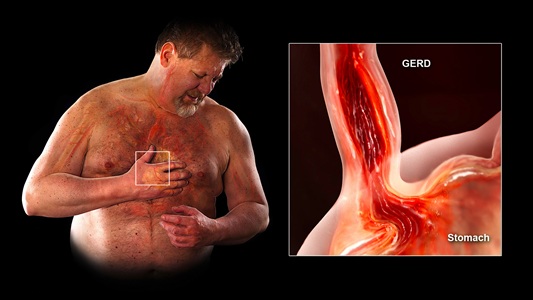
1. GERD Genuinely Affects Roughly 15.6% of the Indian Population
This figure genuinely establishes the scale of this condition specifically within India. A comprehensive meta-analysis genuinely found the pooled prevalence of GERD in the Indian population at 15.6%, meaning a genuinely significant proportion of Indians experience this more severe, persistent form of reflux beyond just occasional, harmless heartburn.
2. Your Diet Genuinely Plays a Documented Role in Indian GERD Risk
This connection deserves specific attention given how central food is to Indian daily life. Research genuinely identified non-vegetarian diet, tea and coffee intake, tobacco use, and alcohol consumption as documented risk factors for GERD specifically within Indian populations, alongside age and body mass index. This genuinely means your specific dietary habits, not just how much you eat but what you regularly consume, meaningfully influence your reflux risk.
3. A Weakened Lower Oesophageal Sphincter Genuinely Causes the Underlying Problem
Understanding this mechanism genuinely helps make sense of why reflux happens at all. GERD symptoms are genuinely caused by abnormal relaxation of the lower oesophageal sphincter, the muscular valve between your stomach and oesophagus, allowing stomach acid to flow back upward when it shouldn’t. This genuine mechanical failure, rather than simply “too much acid” as commonly assumed, explains why certain foods and habits that relax this muscle genuinely worsen symptoms.
4. Eating Late at Night and Lying Down Soon After Genuinely Represents One of the Strongest Triggers
This finding deserves serious, practical attention given how common this pattern is among working Indians. Research genuinely found less interval between dinner and sleep carried a substantially increased risk of GERD symptoms, alongside the habit of eating midnight snacks. This genuinely means finishing dinner at least a few hours before lying down represents one of the most impactful, medication-free changes you can make.
5. Regular Physical Activity Genuinely Reduces Your Reflux Risk Considerably
This connection deserves emphasis since it’s genuinely actionable rather than requiring medical intervention. Research genuinely found less exercise time strongly associated with increased GERD symptoms, while a simple post-dinner walk was genuinely associated with fewer symptoms among study participants. This means incorporating regular movement, even something as simple as a short evening walk, genuinely offers meaningful protective benefit against reflux.
6. Raising the Head of Your Bed Genuinely Helps Reduce Nighttime Symptoms
This practical, simple intervention deserves genuine consideration for anyone experiencing nighttime reflux specifically. Research genuinely found raising the head of the bed during sleep was the most important factor relieving GERD symptoms among study participants. This genuinely works by using gravity to help keep stomach acid where it belongs, making it a genuinely low-cost, side-effect-free intervention worth trying before reaching for additional medication.
7. Long-Term Acid-Suppressing Medication Genuinely Carries Its Own Risks
This deserves honest attention for anyone relying on proton pump inhibitors for extended periods. Prolonged PPI use has genuinely been linked to increased risks of bone fractures, chronic or acute kidney disease, pneumonia, and gastrointestinal infections. This doesn’t mean these medications aren’t valuable, they genuinely help enormously, but it does mean long-term, continuous use warrants genuine discussion with your doctor about whether ongoing treatment remains necessary or whether lifestyle changes might reduce your medication dependence.
8. About 80% of GERD Patients Genuinely Respond Well to Standard Medication
This statistic offers genuine reassurance for most people dealing with this condition. Pharmacological treatment is genuinely effective for approximately 80% of patients with recurrent but non-progressive GERD, meaning the majority of sufferers genuinely find adequate relief through standard acid-suppressing medication combined with lifestyle changes, without needing more invasive intervention.
9. The Remaining 20% Genuinely Need Early Identification to Prevent Serious Complications
This deserves particular attention since it represents where genuine vigilance matters most. Early identification of the remaining 20% with progressive disease is genuinely critical, as they may develop serious complications such as Barrett’s oesophagus or oesophageal strictures. This means persistent symptoms that don’t respond to standard treatment genuinely warrant further investigation rather than simply increasing your antacid dosage indefinitely.
10. Barrett’s Oesophagus Genuinely Represents a Serious, Long-Term Complication Worth Knowing About
This condition deserves genuine awareness given its potential seriousness. Barrett’s oesophagus represents a complication of long-standing, untreated GERD, involving changes to the oesophageal lining that genuinely require monitoring given their association with increased cancer risk over time. This genuinely reinforces why chronic, unaddressed reflux deserves proper medical evaluation rather than years of self-management with over-the-counter remedies alone.
Frequently Asked Questions
Q1. How long before bedtime should I genuinely stop eating to reduce my acid reflux symptoms?
Research genuinely suggests allowing several hours between your last meal and lying down significantly reduces reflux risk, making it worth adjusting your dinner timing earlier if you’re currently eating close to bedtime and experiencing regular symptoms.
Q2. Is it genuinely safe to take antacids or acid-reducing medication indefinitely without seeing a doctor?
Not ideal long-term, genuinely, prolonged use of proton pump inhibitors specifically carries documented risks including bone fractures and kidney issues, making it worth discussing your ongoing treatment plan with a doctor rather than simply continuing medication indefinitely without periodic reassessment.
Q3. Can simple lifestyle changes genuinely reduce my acid reflux without needing medication at all?
Yes, genuinely possible for many people, eating dinner earlier, incorporating regular exercise like a post-dinner walk, and raising the head of your bed while sleeping have all genuinely shown meaningful symptom improvement in research, worth trying before or alongside any medication.
Q4. When should I genuinely see a doctor rather than just managing my acid reflux with over-the-counter antacids?
If your symptoms persist despite lifestyle changes and regular antacid use, or if you’re experiencing difficulty swallowing, unintended weight loss, or symptoms that have lasted considerably beyond a few weeks, it’s genuinely worth seeing a doctor to rule out progressive disease or complications like Barrett’s oesophagus.