 By Saurav Mehra
 Stand on a Mumbai high-rise balcony with a clear glass railing, and the entire skyline genuinely stretches uninterrupted before you, no bars, no visual clutter, just open air and view. Now picture that same balcony fitted with a solid steel railing instead, sturdy, unmistakably secure, but genuinely blocking a portion of that same view you’re paying premium rent to enjoy. This exact trade-off, unobstructed visibility against rugged, low-maintenance durability, genuinely defines the choice countless Indian homeowners face when finalising their balcony or staircase railing.
Here’s why this decision genuinely deserves more thought than picking whichever looks trendier in a builder’s showroom: glass and steel railings serve genuinely different priorities, one maximises openness and modern aesthetics, the other delivers rugged strength with minimal fuss. Understanding exactly what you’re trading off with either choice, particularly given India’s dusty, humid conditions that genuinely test any railing material over years of exposure, matters before you commit to a decision that’s genuinely expensive to reverse later.
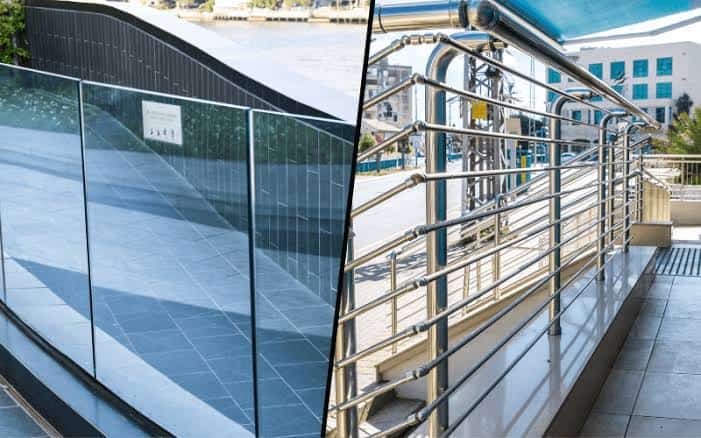
Why Glass Genuinely Wins on Visibility and Modern Appeal
This is genuinely glass railing’s single strongest selling point. A glass railing keeps views open and allows natural light to flow through the space, creating that clean, modern look particularly popular in contemporary architecture. For balconies overlooking genuinely worthwhile views, a garden, cityscape, or pool area, glass railing preserves that visual connection in ways a solid steel railing simply cannot match, since even open steel designs with gaps genuinely interrupt sightlines more than a single clear glass panel does.
This aesthetic advantage genuinely extends beyond just balconies too, glass staircase railings create a genuinely striking, airy feel in interior spaces, making compact stairwells feel considerably larger and less enclosed than traditional solid or ornate steel balustrades typically allow.
Why Steel Genuinely Wins on Durability and Low Maintenance
It’s genuinely worth being fair to steel here, since glass doesn’t win every single measure. For strength and long life, stainless steel often wins because it resists corrosion and handles heavy use, genuinely making it the more forgiving, worry-free choice for high-traffic staircases or exterior railings exposed to constant weathering. Steel railings genuinely don’t show smudges and water spots the way glass does, a considerable practical advantage for anyone who doesn’t want to be wiping down railing panels every few days to keep them looking presentable.
This maintenance gap genuinely matters more in India specifically, where dust accumulates quickly in most cities, and glass railings genuinely require regular cleaning to maintain their signature clear, pristine appearance, while steel simply needs occasional wiping without the same visible smudging that glass surfaces genuinely develop between cleanings.
Understanding the Genuine Cost Comparison
This gap is genuinely significant and worth budgeting around honestly. Glass railings in India typically run ₹1,400 to ₹3,200 per square foot depending on whether you choose post-supported, semi-frameless, or fully frameless systems, with frameless designs commanding the highest premium given their more complex installation. Stainless steel railings, by contrast, typically cost ₹600 to ₹1,600 per foot, considerably cheaper at the basic end, though premium steel-and-glass combination railings can climb toward ₹1,150 to ₹1,600 per foot as well.
This means pure steel railings genuinely offer the most budget-friendly option overall, while glass, particularly frameless glass requiring precision drilling and specialised hardware, genuinely commands a meaningful premium that reflects both material cost and the more skilled installation labour it demands.
Why Coastal Cities Genuinely Need to Think Carefully About Frame Material
This is a genuinely important, India-specific consideration worth understanding before choosing either option. Stainless steel frames, specifically SS 304 or SS 316 grade, are preferred in coastal cities like Mumbai, Goa, and Chennai due to salt air resistance, while standard aluminium frames, though lighter and more budget-friendly, can corrode faster in genuinely salt-heavy coastal environments compared to inland cities.
This means your specific location genuinely shapes not just whether you choose glass or steel, but which grade of hardware supports either system, coastal homeowners genuinely need to specify marine-grade steel or SS 316 frames regardless of whether they ultimately choose glass panels or a solid steel design, since standard hardware simply won’t hold up as well against constant salt air exposure over years.
Why Glass Railings Genuinely Require Careful Thickness Selection
This matters enormously for safety, and it’s worth understanding the specific standards involved. Standard residential balcony glass railings typically use 10mm toughened glass, while frameless systems or installations above 1.2 metres in height genuinely require 12mm toughened glass for adequate structural support. High-rise buildings specifically often need 15mm laminated glass for structural or bottom-fixed systems, reflecting the genuinely higher safety demands of elevated installations where failure risk carries considerably more serious consequences.
Getting this thickness specification wrong isn’t merely an aesthetic oversight, it’s genuinely a safety issue, and working with an installer who properly assesses your specific height and mounting system before recommending glass thickness matters considerably more than simply choosing based on price alone.
Making the Genuinely Right Choice for Your Specific Space
If you’re prioritising an unobstructed view, modern aesthetic appeal, and don’t mind a periodic cleaning routine, glass railing’s higher cost genuinely justifies itself through the visual openness it delivers. If you’re working with a tighter budget, want genuinely minimal ongoing maintenance, or are installing railings in high-traffic or heavily weathered locations where rugged durability matters more than transparency, steel railing genuinely remains the practical, dependable default that Indian homes have relied on for decades.
Frequently Asked Questions
Q1. Is glass railing genuinely more expensive to maintain than steel over time?
Yes, genuinely, glass shows smudges and water spots easily and requires regular cleaning to maintain its clear appearance, while steel railings simply need occasional wiping, making steel genuinely lower-maintenance for busy households that don’t want frequent cleaning upkeep.
Q2. Which railing material genuinely handles India’s dusty conditions better?
Steel genuinely handles dust accumulation more forgivingly since smudges and residue aren’t as visually obvious as they are on glass’s clear surface, though both materials require regular cleaning in genuinely dusty Indian urban environments to stay presentable.
Q3. Do I genuinely need different frame materials for glass railings in coastal cities versus inland cities?
Yes, genuinely, coastal cities like Mumbai, Goa, and Chennai require SS 304 or SS 316 grade stainless steel frames specifically for salt air resistance, while standard aluminium frames, though cheaper, corrode faster in genuinely salt-heavy coastal environments compared to inland locations.
Q4. Is thinner glass genuinely fine for a low balcony, or should I always choose thicker glass regardless of height?
Glass thickness genuinely should match your specific installation height and mounting system, standard 10mm toughened glass suits typical residential balconies, while frameless systems or heights above 1.2 metres genuinely require 12mm or thicker glass for adequate structural safety, making professional assessment important rather than choosing based on cost alone.