 By Saurav Mehra
 Standing in a tile showroom, staring at a stunning slab of Italian marble on one side and a practical vitrified tile mimicking that exact look on the other, is a genuinely common moment of hesitation for anyone building or renovating a home in India. The marble whispers luxury and timeless elegance, the tile promises convenience and a considerably smaller dent in your budget. This decision genuinely matters because flooring isn’t something you casually replace every few years, it’s a choice you’ll be living with, quite literally underfoot, for decades.
Here’s why getting this right genuinely matters beyond aesthetics: your flooring choice affects your monthly maintenance routine, your home’s resale value, how comfortable your feet feel during Indian summers, and even your fall risk in wet bathrooms. Understanding exactly where tiles and marble genuinely excel, and where each falls short, helps you choose based on your actual lifestyle rather than pure Instagram appeal.
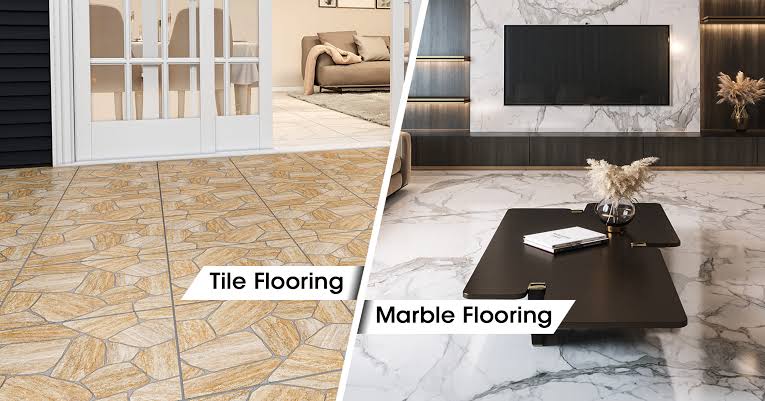
Why Marble Genuinely Wins on Pure Aesthetic Luxury
There’s genuinely no manufactured material that fully replicates marble’s natural beauty. Every single slab carries unique veining and depth that no factory-produced tile, however sophisticated, can perfectly recreate, this natural variation is precisely what gives marble floors their premium, one-of-a-kind character. Beyond looks, marble genuinely stays cool underfoot, a genuinely significant comfort advantage during India’s punishing summer months, and it reflects light beautifully, making rooms feel brighter and more spacious than they might otherwise appear.
This aesthetic advantage genuinely extends into resale value too. Premium marble flooring in high-end projects can genuinely boost resale perception by 8-12%, reflecting how strongly Indian homebuyers still associate natural stone with quality construction and lasting value, particularly in villas and premium apartment segments where buyers expect this kind of finish.
Why Tiles Genuinely Win on Practical, Everyday Living
This is where tiles genuinely pull ahead for most ordinary households. Vitrified and porcelain tiles are non-porous, meaning they resist stains and water damage without needing any sealing or special care, a genuine relief for busy households that simply don’t have time for the ongoing maintenance marble demands. Tiles also handle daily wear considerably better in high-traffic zones, kitchens, hallways, staircases, resisting scratches and impact damage that would genuinely trouble a natural stone surface over time.
For rental properties specifically, tiles genuinely make more practical sense too, since individual damaged pieces can be replaced considerably more easily than trying to match and repair a natural stone slab. This combination of low maintenance and genuine durability is precisely why vitrified tiles have become the default choice for the vast majority of Indian homes built in the last decade.
Understanding the Genuine Cost Difference
This gap is genuinely significant and worth understanding clearly before you commit. Tiles typically cost between ₹40 and ₹200 per square foot for material, with installation adding another ₹20 to ₹40, bringing your total to roughly ₹60 to ₹240 per square foot for most quality options. Marble runs considerably higher, basic Indian marble like Makrana or Ambaji starts around ₹120 to ₹230 per square foot, while imported Italian, Turkish, or Greek marble genuinely begins around ₹280 to ₹600 or more, and once you add labour and polishing costs, your total for premium marble can easily exceed ₹700 to ₹1,000 per square foot.
This price gap genuinely matters when you’re flooring an entire home rather than just a single feature area, the cumulative difference across a full house genuinely runs into lakhs of rupees, making budget allocation a genuine, practical consideration rather than a minor detail.
Why Maintenance Discipline Genuinely Determines Long-Term Satisfaction
This is genuinely the factor most homeowners underestimate before choosing marble. Marble is porous and can stain or etch if spills, particularly acidic ones like lemon juice or turmeric-heavy curry, aren’t cleaned up quickly. It genuinely requires periodic sealing and occasional professional polishing to maintain its shine, and skipping this maintenance genuinely leads to a dull, stained floor within just a few years rather than the decades of beauty marble promises when properly cared for.
Tiles genuinely demand almost none of this ongoing attention, a quick mop handles daily cleaning, and there’s no sealing or polishing schedule to remember. If you’re genuinely someone who wants beautiful floors without adding another item to your household maintenance checklist, this difference alone often settles the decision in favour of tiles regardless of aesthetic preference.
Why Bathroom and Wet Area Flooring Genuinely Needs Special Consideration
This deserves specific attention since it’s a genuine safety concern many homeowners overlook. Marble can feel genuinely slippery when wet, making it a riskier choice for bathrooms and areas prone to water splashing, particularly in households with young children or elderly family members. Tiles, particularly those with anti-skid or textured finishes, genuinely offer better grip in these specific wet zones, making them the safer, more practical choice for bathrooms even if you’ve chosen marble for your living areas and bedrooms.
Why Large-Format Tiles Are Genuinely Closing the Aesthetic Gap
This is a genuinely important 2026 development worth knowing about. Extra-large format porcelain tiles, some as big as 1600x3200mm, now genuinely create seamless, marble-like surfaces with dramatically reduced grout lines, closing much of the visual gap that once made marble the obvious aesthetic winner. For homeowners wanting that luxurious marble look without the accompanying maintenance burden and price tag, these large-format marble-look tiles genuinely represent a smart middle ground worth exploring before committing to either extreme.
Frequently Asked Questions
Q1. Is marble genuinely worth the extra cost compared to good quality vitrified tiles?
It genuinely depends on your priorities, marble offers unmatched natural beauty and can boost resale value in premium properties, but if low maintenance and budget matter more to you than having genuine natural stone, high-quality vitrified tiles offer considerably better practical value for most households.
Q2. Which flooring genuinely lasts longer, marble or tiles?
Properly installed and maintained marble can genuinely last 20 to 30 years or even longer, sometimes exceeding 50 years, but this requires consistent sealing and careful use, while quality vitrified tiles genuinely offer comparable or even longer practical lifespan with considerably less maintenance effort required.
Q3. Should I avoid marble flooring in my bathroom entirely?
It’s generally not recommended, marble’s porous nature and slippery surface when wet make it a genuinely riskier choice for bathrooms, tiles with anti-skid or textured finishes offer better safety and practicality for these specific wet areas.
Q4. Can large-format tiles genuinely replicate the look of real marble convincingly?
Yes, genuinely quite well now, modern extra-large format porcelain tiles create seamless, marble-inspired surfaces with minimal grout lines, offering a visually similar premium appearance while retaining the low-maintenance, budget-friendly practicality that makes tiles the preferred choice for most Indian homes.