 By Saurav Mehra
 Every laptop buyer in India genuinely hits this exact configuration screen while ordering online, 16GB RAM for a genuinely reasonable price, or pay considerably more for 32GB that feels like unnecessary overkill for checking email and writing college assignments. This decision genuinely used to be simple, 16GB was universally considered the sweet spot, but 2026’s demanding games, background apps, and increasingly memory-hungry software have genuinely shifted this calculation, making the “correct” answer considerably more nuanced than it was even a couple of years ago.
Here’s why this comparison genuinely deserves careful thought rather than defaulting to whichever configuration costs less: 16GB and 32GB RAM genuinely deliver similar raw frame rates in many benchmarks, but the real, practical difference shows up in system stability and multitasking headroom rather than pure speed. Understanding exactly when this extra memory genuinely matters, and when it’s simply unnecessary spending, helps you configure your laptop correctly for how you actually use it daily.
Why 16GB Genuinely Remains Sufficient for Most Everyday Users
This deserves stating clearly, since it’s genuinely true for the majority of buyers. 16GB RAM works genuinely well for study, office tasks, browsing, video calls, streaming, light editing, and many games, delivering more than adequate performance for modern laptop use without needing anything more. For everyday users, students, and office workers specifically, 16GB genuinely offers considerably better value, since 32GB is genuinely overkill for basic use and represents unnecessary spending that could instead go toward a stronger processor or better display.
This means if your daily computing genuinely centres around browsing, documents, streaming, and occasional gaming without heavy multitasking, 16GB genuinely handles everything comfortably, and choosing 32GB purely out of caution wastes money you could genuinely allocate elsewhere in your laptop’s overall specification.
Why Gaming Genuinely Shows Minimal Raw Speed Difference Between the Two
This genuinely surprises many buyers assuming more RAM automatically means better frame rates. Testing across demanding titles at 1080p genuinely shows minimal difference between 16GB and 32GB configurations, sometimes less than 5% variation in average frame rates. Even at 1440p, testing showed differences under 10%, meaning if you’re purely chasing maximum frame rates, the raw speed benefit of 32GB genuinely doesn’t justify its cost premium on its own.
That said, it’s genuinely worth understanding what the numbers don’t fully capture, the 0.1% and 1% performance lows, essentially your worst momentary stutters during gameplay, genuinely improve more noticeably with 32GB, making overall gameplay feel considerably more consistent even when average frame rates look similar on paper.
Why Multitasking Genuinely Reveals the Real Difference Between These Configurations
This is genuinely where 32GB earns its premium for many users. The primary difference between these two configurations is genuinely system stability and multitasking capability, not necessarily maximum frame rate. If you only play games with nothing else running, 16GB genuinely remains adequate for most titles. However, if you multitask, stream, keep Discord and browser tabs open alongside gaming, or run demanding creative applications simultaneously, 32GB provides a genuinely noticeably better, smoother experience.
This distinction genuinely matters enormously for how realistic your actual usage pattern is, very few people use a laptop solely for one task at a time, most genuinely keep multiple applications running simultaneously, streaming software, communication apps, browser tabs, and whatever primary task they’re focused on, exactly the scenario where 16GB’s limited headroom genuinely starts feeling cramped.
Why Modern AAA Games Genuinely Push Memory Requirements Higher Than Before
This matters considerably for anyone building a gaming setup specifically for 2026’s newest titles. Testing on demanding games like Cyberpunk 2077 and Starfield shows system RAM usage often exceeding 18GB at high settings, meaning with just 16GB total, Windows itself consumes 3 to 4GB, leaving considerably less headroom for the actual game and any background applications running alongside it. This creates genuine memory pressure that forces your system to swap data between RAM and storage, causing stuttering, texture pop-in, and frustrating “alt-tab lag” when switching between applications.
This shift genuinely reflects how demanding modern game engines have become, with heavier titles built for the latest console generation and high-end PCs pushing memory requirements considerably higher than the games that established 16GB’s original reputation as the gaming sweet spot.
Why Laptop Buyers Genuinely Need to Consider Future-Proofing Differently Than Desktop Users
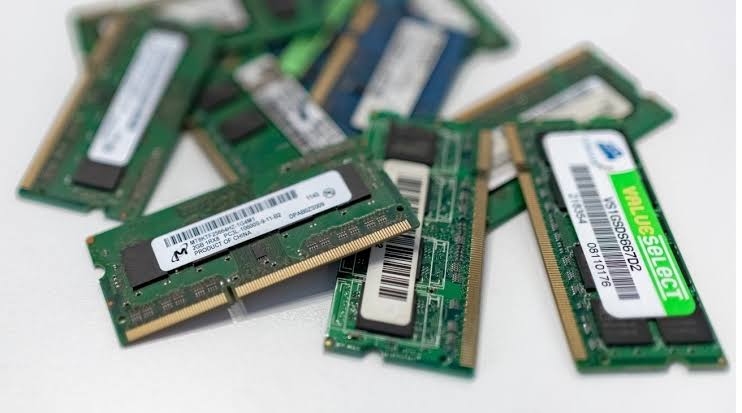
This is a genuinely important, laptop-specific consideration worth understanding before purchasing. Many modern gaming laptops use soldered memory, meaning you genuinely cannot open the laptop and upgrade RAM later the way desktop builders can simply add another memory module. Because modern games, Windows background tasks, and streaming software routinely push past the 16GB threshold, configuring a new laptop with 32GB from the start genuinely ensures its useful lifespan won’t be artificially bottlenecked by memory limitations within just a year or two of ownership.
This soldered-memory reality genuinely makes the upfront decision considerably more consequential for laptop buyers specifically than for desktop PC builders, since you’re genuinely locking in your memory capacity for the laptop’s entire useful life rather than leaving room for a simple, affordable future upgrade.
Making the Genuinely Right Choice Based on Your Actual Usage
If your workload is genuinely light, browsing, studying, office tasks, and casual gaming, 16GB genuinely delivers excellent value and adequate performance, letting you invest saved money into other laptop specifications instead. If you’re a content creator, developer, serious multitasker, or gamer who streams and keeps numerous applications running simultaneously, or if you’re buying a laptop with soldered memory you genuinely can’t upgrade later, 32GB genuinely represents the smarter, more future-proof investment.
Frequently Asked Questions
Q1. Is 32GB RAM genuinely necessary if I only play games without multitasking or streaming?
Not really, for pure gaming with nothing else running, 16GB remains genuinely adequate for most titles in 2026, and the raw frame rate difference between the two configurations stays minimal in this specific, focused usage scenario.
Q2. Why does my laptop genuinely feel sluggish with 16GB RAM even though the specifications seem adequate?
This typically happens when you’re running multiple applications simultaneously, Discord, browser tabs, streaming software alongside a game, since Windows itself consumes several gigabytes, leaving genuinely limited headroom for everything else, causing your system to swap data to storage and creating noticeable stuttering.
Q3. Should I buy a laptop with 32GB RAM even if it costs more, given many laptops now have soldered memory?
Yes, genuinely worth considering, if your laptop’s RAM is soldered and cannot be upgraded later, choosing 32GB upfront ensures your laptop’s useful lifespan isn’t artificially limited by memory constraints within just a year or two of demanding modern software and games.
Q4. Does adding more RAM genuinely make my applications run faster, or does it just prevent slowdowns?
Genuinely the latter, if your current applications aren’t already using all available RAM, adding more won’t make them faster, RAM primarily provides headroom and prevents slowdowns by eliminating memory bottlenecks rather than directly increasing processing speed beyond that point.