 By Saurav Mehra
 Standing in a Delhi metro station, you’ll genuinely notice your phone switch seamlessly between 5G and 4G icons depending on exactly where you’re standing, one moment streaming a video effortlessly at blazing speed, the next dropping back to reliable but noticeably slower 4G the second you step into a basement platform. This exact inconsistency genuinely defines India’s 5G experience in 2026, impressive where it works, but still genuinely patchy enough that understanding when 5G actually matters, and when 4G remains perfectly adequate, genuinely helps you make smarter decisions about your phone and recharge plan.
Here’s why this comparison genuinely deserves nuanced treatment rather than blanket “5G is always better” marketing claims: India’s 5G rollout has genuinely progressed significantly since 2022, covering roughly 99.6% of districts by some measures, yet coverage strength varies dramatically depending on whether you’re in a metro city centre or a smaller town, and even within metros, indoor penetration in older buildings often genuinely drops you back to 4G regardless of what your phone’s status bar claims.
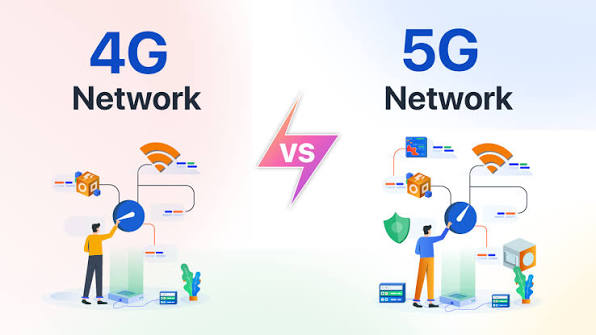
Why 5G Genuinely Delivers Dramatically Faster Speeds Where It Works Properly
This is genuinely 5G’s most obvious, measurable advantage. Real-world 5G speeds are genuinely 3 to 6 times faster than typical 4G LTE performance, with median 5G speeds often reaching 150 to 300 Mbps compared to 4G’s typical 30 to 60 Mbps range. In strong-coverage zones specifically, this genuinely translates into noticeably faster downloads and smoother high-quality streaming, the difference between a video buffering for a few seconds versus playing instantly without any perceptible delay.
This speed advantage genuinely matters most for specific use cases, downloading large files, streaming 4K video, or video calling in high definition all genuinely benefit from 5G’s considerably higher bandwidth, exactly the kind of data-heavy activities where 4G’s more modest speeds start feeling genuinely limiting by comparison.
Why 4G Genuinely Remains Perfectly Adequate for Most Everyday Tasks
It’s genuinely worth being honest about this rather than assuming 5G is universally necessary. For casual users who mainly browse the web, stream HD video, use social media, and make voice or video calls, today’s 4G LTE networks still genuinely deliver a reliable, satisfying experience. 4G handles email, messaging, music streaming, and most everyday app usage without problems, meaning if your phone usage doesn’t genuinely demand cutting-edge speed, you’re genuinely not missing out on much by staying on 4G, particularly given how widely and reliably it’s available across virtually the entire country.
This matters considerably for anyone in smaller towns or rural areas specifically, where 4G genuinely remains more reliable and consistent than 5G, which is still concentrated primarily in cities and selected areas rather than blanketing the entire country uniformly.
Why Coverage Genuinely Remains 5G’s Biggest Practical Limitation in India
This is genuinely the most important honest caveat worth understanding before assuming 5G automatically means a better experience everywhere. Step outside metro areas, and you’ll often find yourself genuinely back on 4G, and even within Tier-1 cities, indoor penetration can be genuinely patchy, especially in older buildings with thicker walls that interfere with 5G’s higher-frequency signals more than they affect 4G. This means owning a 5G phone genuinely doesn’t guarantee a 5G experience, your actual location and the specific building you’re standing in genuinely determine whether you’re getting 5G’s promised speed boost or quietly falling back to 4G without realising it.
Why Latency Genuinely Matters More Than Raw Speed for Certain Activities
This is genuinely an underappreciated 5G advantage worth understanding beyond just download speed numbers. Modern 5G networks can deliver considerably lower latency, the delay between your action and the network’s response, than 4G, which genuinely matters enormously for real-time applications like cloud gaming, video calls, and competitive online gaming where even small delays genuinely affect the experience noticeably. For activities where responsiveness matters more than raw bandwidth, 5G’s latency improvement genuinely provides real, tangible benefit even in areas where the speed difference itself feels less dramatic.
Why Battery Impact Genuinely Deserves Consideration Before Enabling 5G Everywhere
This is worth knowing as a practical trade-off. 5G can genuinely use a little more power specifically in weak-signal areas, since your phone works harder searching for and maintaining a 5G connection when the signal is inconsistent. Modern phones generally manage this well enough that most users won’t notice a dramatic difference, but if you’re genuinely concerned about battery life and know you’re regularly in areas with patchy 5G coverage, switching to 4G-only in your network settings genuinely helps preserve battery life without meaningfully sacrificing your daily browsing and streaming experience.
Why Your Specific Location and Carrier Genuinely Determine Your Real Experience
This matters enormously given how differently Jio, Airtel, and Vodafone Idea have approached their respective 5G rollouts. Reliance Jio has genuinely pushed aggressively on 5G rollout with unlimited data plans in many areas, delivering significantly better speed where coverage is strong, while Airtel has genuinely focused on stability and consistency, offering more balanced performance across both speed and reliability. Vodafone Idea remains genuinely earlier in its 5G rollout phase compared to the other two, meaning your actual carrier choice genuinely affects how much benefit you’ll see from 5G regardless of which phone you’re using.
Making the Genuinely Right Choice for Your Situation
If you’re buying a new phone and planning to keep it for two to three years, choosing 5G capability genuinely makes sense to future-proof your device, since most mid-range phones now include it at little extra cost anyway. If you’re deciding whether to actively prioritise 5G coverage in your daily location, checking your specific area and carrier’s actual coverage strength genuinely matters more than assuming 5G automatically delivers a better experience everywhere, since patchy coverage can mean you’re paying for a feature you’re rarely actually using at full strength.
Frequently Asked Questions
Q1. Is it genuinely worth switching my recharge plan to 5G if I live in a smaller Indian town?
Probably not yet, 5G coverage remains concentrated primarily in metros and Tier-1 cities, while 4G remains genuinely more reliable and consistent in smaller towns and rural areas, making 4G the more practical choice until 5G infrastructure expands further into these regions.
Q2. Does using 5G genuinely drain my phone’s battery faster than 4G?
Slightly, particularly in weak-signal areas where your phone works harder maintaining the connection, though modern phones handle this well enough that most users won’t notice a significant difference, and you can switch to 4G-only in settings if battery life is a genuine concern.
Q3. Why does my phone sometimes show 5G but feel just as slow as 4G?
This usually happens due to weak indoor penetration or being at the edge of your carrier’s 5G coverage zone, meaning your phone is technically connected to 5G but not genuinely receiving the full speed benefit, a common occurrence in older buildings or areas with less robust 5G infrastructure.
Q4. Should I buy a phone without 5G support to save money if I mostly use 4G anyway?
This depends on how long you plan to keep the phone, if you’re upgrading again within a year or two, skipping 5G to save money is genuinely reasonable, but for longer-term ownership, choosing 5G capability future-proofs your device as coverage continues expanding across India.