 By Rohit Mehra
 Buy pre-shredded mozzarella from the supermarket, pile it thick on your homemade dough, and pull out a pizza that’s somehow greasy, rubbery, and bland all at once. It happens constantly, and cheese is almost always the reason. Not because the cheese is bad exactly — it’s just wrong for the job, or used the wrong way, or mixed with something that fights it instead of complementing it. Here’s what actually works, and why.
Low-Moisture Mozzarella Is the Reliable Workhorse
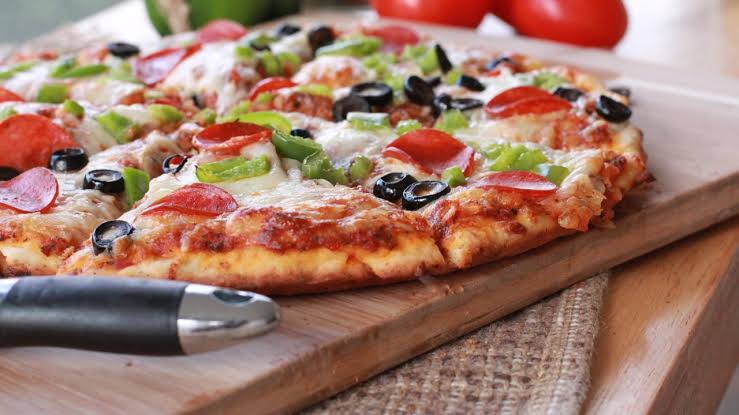
For most home pizza nights, this is the cheese doing the heavy lifting, and for good reason.
- Low-moisture, part-skim mozzarella melts evenly and stretches into that classic pizza-parlour pull without releasing excess water onto the crust
- It’s sold specifically as a “pizza cheese” block or pre-shredded bag in most supermarkets, making it the most accessible option for weeknight cooking
- Grating a block yourself rather than buying pre-shredded matters more than people assume — pre-shredded cheese is coated in anti-caking agents like cellulose, which prevents it from melting as smoothly
- This cheese browns nicely without burning too fast, giving you those characteristic golden-brown spots without needing perfect oven timing
Fresh Mozzarella Brings the Neapolitan Character
If you’re chasing that wet, milky, slightly soupy look you see on a proper Margherita, this is the cheese responsible for it.
- Fresh mozzarella, often sold in balls packed in water or brine, has significantly higher moisture content than the low-moisture block variety
- That extra moisture is exactly why it doesn’t get shredded — it’s torn into chunks or sliced and distributed across the pizza instead
- Because of the water content, fresh mozzarella can make a home pizza soggy if you’re not careful, so patting it dry with a paper towel before adding it helps considerably
- It’s the traditional choice for a true Neapolitan-style pizza, especially when paired with San Marzano tomatoes and fresh basil in a classic Margherita
Parmesan Adds the Salty, Nutty Backbone
Parmesan rarely works as your only cheese, but leaving it out entirely is where a lot of homemade pizzas lose real depth.
- A light dusting of finely grated Parmesan mixed in with your primary cheese adds a sharp, salty, umami note that mozzarella alone can’t provide
- Because it’s dry and doesn’t melt into a smooth layer the way mozzarella does, Parmesan works best as a supporting player rather than the main cheese
- Adding some just before the pizza goes into the oven, and a touch more right after it comes out, layers the flavour at two different intensities
- Pre-grated Parmesan in a shaker tub is genuinely fine for this purpose, since you’re using it more for seasoning than for texture or melt
Provolone Bridges Sharpness and Meltability
Provolone gets overlooked constantly, which is unfortunate given how well it actually performs on pizza.
- It melts nearly as smoothly as mozzarella while contributing a noticeably sharper, slightly smoky flavour of its own
- Mixing provolone with mozzarella in roughly equal parts is a common technique among pizzerias looking for more character than mozzarella alone provides
- It pairs particularly well with heavier toppings like sausage, pepperoni, or roasted vegetables, since its stronger flavour can stand up to bolder ingredients
- Aged provolone brings even more sharpness than the milder young variety, so check which type you’re buying depending on how bold you want the result
Fontina Melts Beautifully and Adds Richness
Fontina doesn’t get talked about nearly as often as mozzarella, but it deserves a spot in the rotation for a specific reason.
- It has an exceptionally smooth, creamy melt, arguably even better than mozzarella in terms of pure texture
- Its flavour carries a subtle nuttiness and mild earthiness that works especially well on white pizzas without tomato sauce
- Combining fontina with mozzarella creates a genuinely luxurious melt, particularly good for pizzas topped with mushrooms, caramelised onions, or roasted garlic
- It’s a slightly more expensive cheese than mozzarella, so it tends to show up more on special-occasion pizzas than everyday weeknight ones
Gorgonzola for a Bold, Adult Flavour Profile
This is a deliberately polarising choice, and it isn’t meant for every pizza — but when it fits, nothing else compares.
- Its sharp, tangy, distinctly funky flavour pairs exceptionally well with sweeter toppings like caramelised pear, fig, or honey drizzle
- Because of its intensity, gorgonzola is almost always used in small crumbled amounts alongside a milder base cheese like mozzarella, never as the sole cheese
- It works particularly well on white pizzas, where there’s no tomato sauce competing for attention against its strong flavour
- If you’re cooking for guests with more adventurous palates, this is the cheese that turns a basic pizza into something memorable
Ricotta Adds Creamy Texture in Dollops
Ricotta doesn’t melt in the traditional sense, and that’s precisely the point of using it.
- Rather than spreading it across the whole pizza, ricotta is typically added in small dollops before baking, creating pockets of creamy richness throughout
- It pairs especially well with spinach, roasted garlic, or as part of a white pizza base without traditional tomato sauce
- Because it doesn’t brown or bubble the way mozzarella does, ricotta contributes texture and creaminess rather than the classic stretchy-cheese visual
- A little goes a long way — overloading a pizza with ricotta can make it heavy and wet rather than pleasantly rich
Building a Cheese Blend That Actually Works
The best homemade pizzas rarely rely on a single cheese, and understanding how to combine them intentionally makes a real difference.
- A base of low-moisture mozzarella for melt and stretch, combined with a smaller amount of a sharper cheese like provolone or Parmesan, covers both texture and flavour
- Keep total cheese quantity moderate — over-topping with cheese is one of the most common reasons homemade pizza turns out greasy or undercooked in the centre
- Always grate or shred your own cheese from a block rather than relying on pre-shredded bags when melt quality actually matters to the finished result
- Consider what’s already on the pizza — bold toppings can handle sharper cheeses, while simple, classic toppings usually do better with milder ones
Frequently Asked Questions
Q. Why does my pizza cheese come out greasy instead of golden?
Usually too much cheese, or a very high-fat cheese used alone without a leaner counterpart like mozzarella balancing it out.
Q. Can I use cheddar on pizza?
Yes, though it browns and separates more than mozzarella under high heat, so it works better mixed with mozzarella rather than used alone.
Q. Should I put cheese under or over the toppings?
Generally over, so it melts and browns properly on top rather than steaming underneath a layer of vegetables or meat.
Q. Does fresh mozzarella need to be drained before use?
Yes, patting it dry with paper towels first significantly reduces the risk of a soggy crust from excess moisture.
 Saurav Mehra