 By Rohit Mehra
 Every burger disaster traces back to the same decision, made long before the patty ever hits the grill — what ratio of fat to lean meat went into the grind. Too lean, and you get a hockey puck. Too fatty, and the burger shrinks to nothing and drips half its mass through the grates. There’s a genuine sweet spot here, and it’s not a matter of opinion so much as basic food science. Here’s what actually works.
Why Fat Content Is the Whole Game
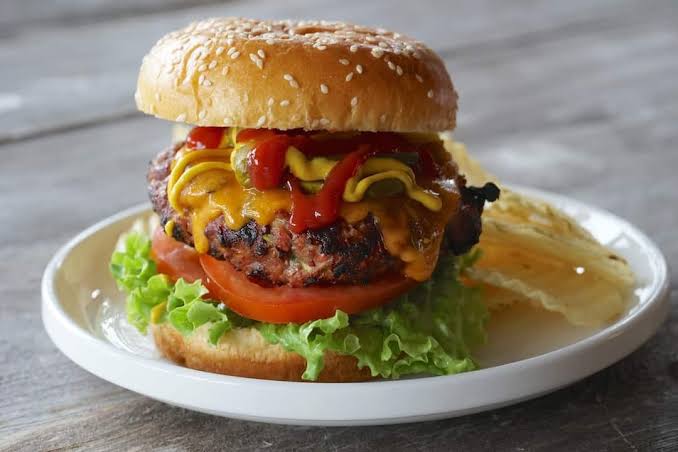
Fat isn’t just flavour in a burger — it’s doing structural and moisture work that lean meat simply can’t replicate on its own.
- Fat renders as the patty cooks, basting the meat from the inside and keeping it moist through the cooking process
- Lean muscle fibres alone tighten and squeeze out moisture as they hit heat, which is exactly why an all-lean patty turns dry and crumbly
- Fat also carries flavour more effectively than lean meat, since much of what we perceive as “beefy” taste is actually fat-soluble
- The fat percentage on packaging, like 80/20, refers to 80 percent lean meat and 20 percent fat by weight, not a ratio of two separate ingredients you mix yourself
The 80/20 Standard, and Why It Works
If you only remember one number from this entire piece, this is the one worth keeping.
- An 80/20 lean-to-fat ratio is widely considered the gold standard for burger patties among chefs and butchers alike
- This ratio renders enough fat during cooking to keep the patty juicy without becoming so greasy it falls apart on the grill or loses excessive volume through shrinkage
- It also holds together well without needing binders like egg or breadcrumbs, which many purists consider unnecessary for a proper burger
- Most supermarket ground beef labelled specifically for burgers is pre-portioned at or close to this ratio, making it the easiest starting point for home cooks
When to Go Fattier: 75/25 and 70/30
For specific cooking methods and flavour goals, pushing the fat percentage even higher can produce a genuinely superior result.
- A 75/25 or even 70/30 ratio suits high-heat, fast cooking methods like a smash burger, where maximum surface contact and rapid rendering create a deeply caramelised crust
- Higher fat content compensates for the more aggressive moisture loss that happens with thin, quickly seared patties
- This ratio works particularly well for restaurant-style, indulgent burgers where richness is the explicit goal rather than a lighter eating experience
- The trade-off is more noticeable shrinkage and more flare-ups if grilling over open flame, since more fat is dripping and igniting during cooking
When to Go Leaner: 85/15 and 90/10
Leaner ratios have their place too, though they demand more careful handling to avoid the dryness problem fat is meant to solve.
- 85/15 works reasonably well for burgers cooked at moderate heat and pulled off slightly before well-done, preserving some moisture despite the lower fat content
- 90/10 or leaner is generally too dry for a standalone burger patty unless you’re deliberately compensating with added moisture, such as grated onion, a splash of stock, or a fat-based binder mixed in
- Leaner grinds are more forgiving for mixed dishes like meatballs or meatloaf, where other ingredients contribute moisture the patty format doesn’t have room for
- If health or dietary reasons push you toward leaner beef, cooking to a slightly lower internal temperature and avoiding overworking the meat becomes considerably more important
Grinding Your Own Meat vs Buying Pre-Ground
Serious burger enthusiasts often grind their own meat specifically to control this ratio with more precision than store-bought labels allow.
- Chuck is the most commonly recommended cut for burger grinding, since it naturally carries a good balance of flavour and marbled fat close to the 80/20 range
- Blending chuck with a fattier cut like brisket or short rib lets you dial in a custom ratio and add complexity beyond what a single cut provides
- Grinding at home also means you control the coarseness of the grind, which affects texture — a coarser grind produces a looser, more textured bite that many burger enthusiasts prefer
- Pre-ground store beef is genuinely convenient and, at 80/20, perfectly capable of producing a great burger without any of this extra effort
Handling the Meat Matters as Much as the Ratio
Even the ideal fat ratio can be undermined by how you actually form and cook the patty.
- Overworking the meat while shaping patties compresses the fat and protein structure, squeezing out moisture before the burger even reaches the heat
- Form patties loosely, handling the meat as little as possible, and avoid compacting it into a dense puck
- Make a small thumbprint indentation in the centre of each patty before cooking, since burgers naturally puff up in the middle as they cook and this prevents an unevenly domed result
- Season with salt just before cooking rather than well in advance, since salt draws out moisture over time if left sitting too long on raw ground meat
Frequently Asked Questions
Q. Does a higher fat percentage always mean a juicier burger?
Generally yes, up to a point. Beyond roughly 30 percent fat, the patty becomes harder to hold together and shrinks excessively during cooking.
Q. Can I mix different fat ratios of ground beef together?
Yes, this is actually a common technique to dial in a custom ratio between what’s available pre-packaged at the store.
Q. Is 80/20 suitable for grilling over open flame?
Yes, it’s one of the more grill-friendly ratios, striking a balance between juiciness and manageable flare-ups from dripping fat.
Q. Should I add breadcrumbs or egg to bind a leaner patty?
It can help leaner ratios like 90/10 hold together and retain moisture, though it moves the result away from a traditional, pure beef burger.