 By Saurav Mehra
 A 9-year-old boy in Delhi genuinely gets rushed to the emergency room during Diwali week, struggling to breathe after his asthma flares up amid the season’s heavy smog, a scene that genuinely repeats across North Indian hospitals every single year around this time. What most families genuinely don’t realise is that a significant portion of these emergencies are genuinely preventable, not through avoiding pollution entirely, which isn’t always possible, but through properly understanding and managing asthma itself, something a genuinely striking number of Indian patients and families never learn to do correctly.
Here’s why these facts genuinely deserve your attention beyond casual interest: India genuinely carries a disproportionately heavy asthma death toll compared to its actual case numbers, largely because of preventable gaps in diagnosis, treatment, and something as basic as correct inhaler technique, gaps that genuinely cost lives that shouldn’t be lost to a manageable condition.
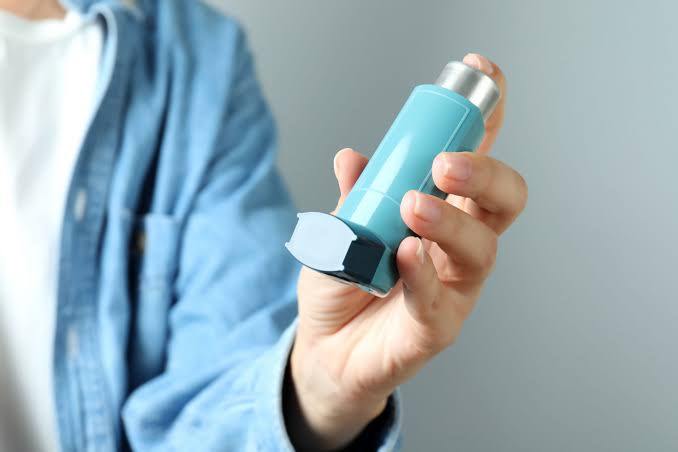
1. India Genuinely Accounts for 42.4% of Global Asthma Deaths Despite Having Only 12.9% of Cases
This disproportion deserves serious, immediate attention. India contributes to 12.9% of global asthma cases and 42.4% of global asthma deaths, a genuinely staggering mismatch that reveals something important, Indian asthma patients aren’t simply more numerous, they’re genuinely dying at rates considerably higher than the disease’s actual prevalence would predict, reflecting genuine gaps in diagnosis and treatment access rather than the condition itself being more severe here.
2. Nearly 8% of Indian Children Genuinely Have Asthma
This childhood prevalence deserves specific attention from parents nationwide. A comprehensive systematic review genuinely estimated asthma prevalence among Indian children at 7.9%, based on a pooled sample of over 167,000 children across multiple studies. This means asthma genuinely represents one of the most common chronic conditions affecting Indian children, considerably more prevalent than many parents assume until their own child receives a diagnosis.
3. Poor Inhaler Technique Genuinely Affects 70 to 80% of Asthma Patients
This deserves serious attention since it represents a genuinely fixable problem undermining otherwise effective treatment. Improper inhaler technique accounts for 70 to 80% of poor asthma control, meaning the majority of patients aren’t genuinely receiving the full benefit of their prescribed medication simply because they’re not using their inhaler correctly, not inhaling deeply enough, failing to coordinate pressing with breathing in, or not holding their breath afterward.
4. Medication Non-Adherence Genuinely Reaches 50 to 90% Among Asthma Patients
This deserves equal attention alongside the technique problem, since both genuinely compound each other. Poor adherence to prescribed asthma treatment remains as high as 50 to 90%, with many patients genuinely stopping their controller medication once they start feeling better, not realising that asthma genuinely requires ongoing management even during symptom-free periods, rather than treatment reserved purely for active flare-ups.
5. Family History Genuinely Significantly Increases a Child’s Asthma Risk
This genetic connection deserves understanding for families with asthmatic relatives. Research genuinely found asthma is more likely to occur if other family members also have it, particularly a parent or sibling, reflecting complex gene and environment interactions. Indian studies specifically genuinely found children showing considerably higher rates of family history compared to adults with asthma, suggesting genuine genetic predisposition plays out early in life.
6. Allergic Rhinitis Genuinely Represents the Most Common Companion Condition in Children
This comorbidity deserves attention since it often appears alongside asthma without parents realising the connection. Research genuinely found allergic rhinitis was significantly more common in asthmatic children than adults, at roughly 65% compared to 41%. This means a child with persistent sneezing, nasal congestion, and allergic symptoms alongside breathing difficulties may genuinely be dealing with these two related conditions simultaneously, requiring coordinated treatment for both.
7. Traffic Pollution and Tobacco Smoke Genuinely Show Distinct Age-Specific Effects
This distinction deserves practical understanding for protecting children at different ages. Research from Jaipur genuinely found environmental tobacco smoke exposure significantly associated with asthma in younger children aged 6 to 7, while traffic pollution exposure showed genuine significant association specifically in older children aged 13 to 14. This suggests age-appropriate protective measures genuinely matter, keeping younger children away from secondhand smoke specifically, while older children may benefit more from reduced traffic pollution exposure.
8. Stopping Medication Once Feeling Better Genuinely Leads to Frequent Flare-Ups
This deserves direct emphasis since it’s genuinely one of the most common, preventable mistakes doctors report seeing. Patients genuinely stop medication once they feel better or use inhalers only when symptoms worsen, mistakes that reduce effectiveness and lead to frequent flare-ups. This means asthma genuinely requires the same ongoing management approach as conditions like diabetes or hypertension, not treatment you can pause once symptoms temporarily subside.
9. Simple Home Modifications Genuinely Help Reduce Asthma Triggers Considerably
This practical advice deserves genuine implementation rather than just awareness. Experts genuinely recommend keeping windows closed during peak pollen times, using HEPA filters where feasible, and regular wet mopping instead of dry dusting, all genuinely reducing airborne trigger exposure within your own home. These modest, achievable home changes genuinely complement medical treatment rather than replacing it, working together to reduce overall flare-up frequency.
10. Global Asthma Deaths Genuinely Concentrate Heavily in Low and Middle-Income Countries
This pattern deserves understanding as part of India’s broader challenge. Most asthma-related deaths genuinely occur in low- and lower-middle-income countries due to underdiagnosis and under-treatment, precisely the category India falls into. This genuinely reinforces why closing gaps in diagnosis, medication access, and patient education matters so considerably more here than in wealthier nations where these systems already function more reliably.
Frequently Asked Questions
Q1. Why does India genuinely have such a disproportionately high number of asthma deaths compared to other countries?
This largely reflects genuine gaps in diagnosis and treatment access rather than the disease being inherently more severe in India, underdiagnosis, limited access to inhaled corticosteroids, and widespread poor inhaler technique all genuinely contribute to this troubling mortality gap.
Q2. Is it genuinely safe to stop my child’s asthma inhaler once they seem completely fine?
No, genuinely not recommended, controller medications require consistent use even during symptom-free periods, stopping prematurely is one of the most common reasons for frequent flare-ups, making it worth continuing prescribed treatment exactly as your doctor recommends rather than pausing based on how your child currently feels.
Q3. How can I genuinely tell if I’m using my inhaler correctly?
Ask your doctor or pharmacist to genuinely demonstrate proper technique and watch you use it yourself, common mistakes include not inhaling deeply enough, poor coordination between pressing and breathing in, and not holding your breath afterward, all fixable errors that genuinely undermine your medication’s effectiveness if left uncorrected.
Q4. Should I genuinely worry about my child developing asthma if I have it myself?
It’s genuinely worth being aware of elevated risk given the documented family history connection, though this doesn’t guarantee your child will develop asthma, staying attentive to early symptoms like persistent cough or wheezing and discussing your family history with a paediatrician genuinely helps catch and manage the condition early if it does develop.