 By Saurav Mehra
 A woman in Kolkata genuinely spends months assuming her persistent joint pain and swollen fingers are simply “wear and tear” from years of housework, never imagining she might have rheumatoid arthritis, a genuinely different condition entirely from the arthritis her elderly neighbours complain about. This confusion genuinely plays out across India constantly, arthritis isn’t one single disease, it’s an umbrella term covering over a hundred distinct conditions, and understanding these genuine differences matters enormously given how widespread joint disease genuinely is across the country.
Here’s why these facts genuinely deserve your attention beyond casual interest: arthritis affects a genuinely staggering number of Indians, considerably more than several better-known diseases combined, yet awareness of its different forms, risk factors, and genuine impact remains surprisingly limited. Understanding these facts helps you recognise warning signs early and seek appropriate care rather than dismissing joint pain as an inevitable part of ageing.
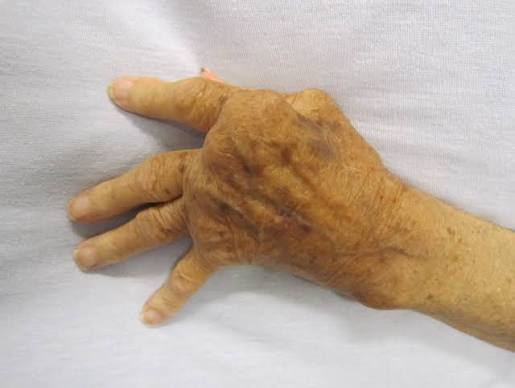
1. Arthritis Genuinely Affects More Than 180 Million People in India
This figure genuinely puts the disease’s reach into perspective, arthritis affects considerably more Indians than well-known conditions like diabetes, AIDS, and cancer combined. This staggering prevalence genuinely means arthritis represents one of India’s most significant, yet comparatively under-discussed, public health challenges, affecting nearly 14% of the population seeking a doctor’s help for joint disease every single year.
2. Musculoskeletal Conditions Genuinely Rank Among India’s Top 25 Causes of Disability
This is genuinely worth understanding as a broader health burden rather than isolated joint complaints. Rheumatic and musculoskeletal conditions are prevalent in nearly 25% to 30% of the Indian population, with low back pain representing the single largest contributor, followed closely by knee osteoarthritis and neck pain. This burden has genuinely increased by 38.4% between 1990 and 2017 alone, reflecting how significantly joint and musculoskeletal disease has grown as a genuine national health concern.
3. Rheumatoid Arthritis Genuinely Affects Indian Women Considerably More Than Men
This gender disparity genuinely holds consistent across multiple Indian studies. Age-standardised rheumatoid arthritis rates are significantly higher in females than males across India, and diagnostic testing data genuinely confirms more women than men seeking testing for this specific condition nationwide. This pattern genuinely mirrors global trends but appears particularly pronounced within India, making awareness of RA symptoms genuinely important specifically for Indian women who might otherwise attribute joint pain to less serious causes.
4. Rheumatoid Arthritis Burden in India Is Genuinely Rising, Not Stable
This trend deserves serious attention rather than assuming arthritis rates remain constant over time. Analysis of rheumatoid arthritis data from 1990 to 2021 genuinely shows increasing incidence, prevalence, and disability burden across India, with projections indicating this upward trend will genuinely continue through 2036. This rising trajectory genuinely means the country’s arthritis burden isn’t simply a fixed, unchanging challenge, it’s genuinely growing, making early diagnosis and treatment access increasingly important priorities.
5. South Asian Older Adults Genuinely Experience Knee Osteoarthritis More Than Other Ethnic Groups
This finding genuinely matters specifically for Indian and South Asian communities worldwide. Research genuinely shows South Asian older adults experience knee osteoarthritis at higher rates compared to older adults of other races and ethnicities, suggesting genuine genetic or lifestyle factors specific to this population that increase susceptibility to this particular joint condition beyond what age alone would explain.
6. Living Without Elevator Access Genuinely Correlates With Higher Knee Arthritis Rates
This is a genuinely fascinating, practical finding from Indian research specifically. Studies found knee osteoarthritis prevalence was genuinely higher among residents of buildings without elevators compared to those with elevator access, a statistically significant difference across different age groups. This finding genuinely suggests that repeated stair climbing over years, a common reality in much of urban India, may contribute meaningfully to knee joint wear over time.
7. Rheumatoid Arthritis Prevalence Genuinely Varies Considerably Across Indian Regions
This regional variation deserves attention for anyone trying to understand their own genuine risk profile. Data shows the highest male rheumatoid arthritis prevalence occurring in Uttarakhand, while Goa showed the lowest, and among women, Tamil Nadu recorded the highest prevalence with Madhya Pradesh showing the lowest. This considerable regional difference genuinely suggests local economic conditions, environmental factors, and healthcare access all play meaningful roles in how this disease manifests differently across the country.
8. Roughly 70% of Indian RA Patients Genuinely Experience Anxiety or Depression
This mental health connection deserves genuine acknowledgement rather than treating arthritis as purely a physical condition. Studies genuinely found approximately 70% of rheumatoid arthritis patients in India suffer from anxiety and depression, reflecting how significantly chronic joint pain and disability affect emotional wellbeing alongside physical health. This genuine connection reinforces why comprehensive arthritis care should genuinely address mental health support alongside physical treatment rather than focusing purely on joint symptoms.
9. Genetics and Environmental Factors Genuinely Both Drive Rheumatoid Arthritis Risk
Understanding this dual causation matters for grasping why some people develop RA while others with similar lifestyles don’t. Rheumatoid arthritis is thought to be driven by genetic and epigenetic factors, but environmental factors such as cigarette smoke and dust exposure also play crucial roles. This genuinely means both your inherited susceptibility and your environmental exposures over a lifetime contribute to whether this particular autoimmune condition eventually develops.
10. Gout Genuinely Shows Distinct Regional Patterns Within India Too
This specific arthritis type, caused by excess uric acid crystallising in joints, genuinely shows its own distinctive geographic pattern within India. Diagnostic data genuinely revealed higher uric acid levels pointing toward gout appearing more commonly in India’s North zone, followed by the East zone, suggesting genuine regional dietary or lifestyle factors specifically influencing this particular arthritis subtype’s prevalence across different parts of the country.
Frequently Asked Questions
Q1. How is rheumatoid arthritis genuinely different from the common knee arthritis older adults experience?
Rheumatoid arthritis is genuinely an autoimmune condition where your body’s immune system attacks joint tissue, typically affecting multiple joints simultaneously and often striking younger and middle-aged adults, while common knee osteoarthritis is genuinely a wear-and-tear condition primarily affecting older adults from years of joint use.
Q2. Why do Indian women genuinely experience rheumatoid arthritis more often than men?
The exact reasons remain genuinely under study, but this pattern holds consistently across Indian data, likely reflecting a combination of hormonal, genetic, and possibly environmental factors that researchers continue investigating to fully understand this gender disparity.
Q3. Does living in a building without an elevator genuinely increase my risk of knee arthritis?
Indian research genuinely found higher knee osteoarthritis rates among people without elevator access, likely reflecting cumulative joint stress from regular stair climbing over years, though this represents one contributing factor among several rather than a guaranteed outcome for everyone in this situation.
Q4. Should I genuinely seek mental health support if I’m dealing with arthritis-related joint pain?
Yes, genuinely worth considering, given how significantly chronic arthritis affects emotional wellbeing for many patients, discussing both physical symptoms and any anxiety or low mood with your doctor helps ensure you receive comprehensive care addressing your complete health picture rather than joint symptoms alone.