 By Saurav Mehra
 Ask someone in Dhaka what language means to their national identity, and you’ll get a genuinely different answer than almost anywhere else in the world, Bangladesh is the only country whose modern independence story genuinely began with a language movement, students sacrificing their lives in 1952 specifically to protect the right to speak Bangla. This single fact captures something essential about Bangladeshi lifestyle that’s genuinely easy to overlook, a country where cultural identity, language, food, and community aren’t background details, they’re actively defended, celebrated pillars of everyday life.
Here’s why understanding these genuine patterns matters beyond casual interest: Bangladesh shares deep linguistic and cultural roots with West Bengal in India, yet has genuinely developed its own distinct national character, one of the most densely populated countries on earth, balancing tremendous cultural richness with genuine social respect for tradition, hospitality, and community bonds that shape daily life considerably more than most outsiders realise.
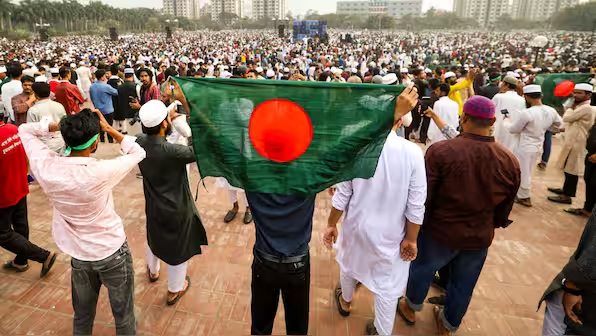
1. Bangladesh Genuinely Gave the World International Mother Language Day
This is a genuinely remarkable cultural contribution few countries can claim. February 21st, now recognised globally as International Mother Language Day, genuinely originated from Bangladesh’s own Language Movement, when students were killed defending their right to use Bangla as an official language during the country’s earlier history as East Pakistan. This day genuinely remains one of Bangladesh’s most solemn and significant national observances, reflecting how deeply language and cultural identity are intertwined in Bangladeshi national consciousness.
2. Bangla Genuinely Ranks as the World’s Seventh-Largest Linguistic Group
With roughly 300 million people speaking Bangla worldwide as their mother tongue, spanning Bangladesh and India’s West Bengal alongside diaspora communities globally, this language genuinely holds remarkable global reach for a tongue often underappreciated outside South Asia. Bangla’s history genuinely predates the birth of Christ, and its continued vitality as a living, evolving language used across literature, daily conversation, and official government communication reflects genuine linguistic pride passed down through generations.
3. Hilsa Fish Genuinely Functions as the Undisputed Star of Bangladeshi Cuisine
Rice forms the genuine anchor of most Bangladeshi meals, but hilsa fish, prepared in mustard, curry, or fried, genuinely holds a special, almost celebrated status within the national cuisine. This fish-centric food culture genuinely reflects Bangladesh’s river delta geography, a landscape where rivers and waterways have historically shaped both agriculture and diet, making fish preparations genuinely central to daily meals in ways that distinguish Bangladeshi cooking from many neighbouring cuisines.
4. Dhaka’s Decorated Rickshaws Are Genuinely Considered a Unique Folk Art Form
These colourfully painted, elaborately decorated rickshaws navigating Dhaka’s streets genuinely function as more than mere transportation, they’re recognised as a distinctive urban folk art tradition unique to Bangladesh. This blend of practical daily transport and genuine artistic expression reflects how creativity in Bangladeshi lifestyle often emerges from ordinary, everyday objects rather than being confined purely to formal galleries or museums.
5. Cricket Genuinely Dominates as the Nation’s Most Beloved Sport
The national cricket team genuinely commands passionate, widespread support throughout Bangladesh, with matches drawing the kind of collective national attention few other events achieve. Kabaddi, football, and volleyball also genuinely remain popular, particularly in rural areas, but cricket’s grip on Bangladeshi sporting culture genuinely mirrors the broader South Asian passion for the sport, uniting people across regional and social divides in shared national enthusiasm.
6. Religious Harmony Genuinely Shapes Bangladesh’s Festival Calendar
While roughly 91% of Bangladeshis identify as Muslim, making it one of the world’s largest Muslim-majority nations, the country genuinely maintains significant religious diversity, with Hindu, Buddhist, and Christian communities each observing their own distinct festivals. Durga Puja genuinely ranks among the largest Hindu festivals celebrated within Bangladesh, and this coexistence of Eid celebrations alongside Hindu pujas and Christian observances genuinely reflects a national commitment to religious harmony that shapes community life throughout the year.
7. Bangladesh Is Genuinely the Most Densely Populated Non-Island Nation on Earth
With roughly 125 million people historically packed into a relatively compact geographic area, Bangladesh genuinely holds this distinctive demographic record among countries without island geography. This density genuinely shapes daily life considerably, urban centres like Dhaka experience genuine crowding and infrastructure pressure, while rural areas maintain a more traditional pace of life built around agriculture and river-based livelihoods.
8. Elders Genuinely Receive Priority in Nearly Every Social Setting
Respect for elders isn’t merely a suggested courtesy in Bangladeshi culture, it’s genuinely woven into practical daily etiquette, older family members and guests are typically greeted first, served first, and often guide important family decisions. This deference genuinely extends into broader social interactions too, reflecting values around hierarchy and respect that continue shaping Bangladeshi family and community life even as younger generations navigate increasingly modern, urban lifestyles.
9. Eating With the Right Hand Genuinely Remains Standard Practice
In line with broader Islamic etiquette observed by the majority Muslim population, the right hand is genuinely used for eating, giving, and receiving items across Bangladeshi daily life. This practice genuinely extends beyond religious observance into everyday social custom, shaping table manners and interpersonal interactions in ways that visitors unfamiliar with the practice should genuinely be aware of before dining with Bangladeshi hosts.
10. Pohela Boishakh Genuinely Celebrates the Bengali New Year With Countrywide Festivity
This Bengali New Year celebration genuinely brings colourful processions, music, and traditional food to communities across Bangladesh, with special pithas, homemade desserts, forming an essential part of the celebration alongside harvest-related festivities. This festival genuinely transcends religious lines, celebrated broadly across Bangladeshi society regardless of individual faith, reflecting how certain cultural traditions in Bangladesh genuinely unite the entire population rather than remaining confined to specific religious communities.
Frequently Asked Questions
Q1. Why is International Mother Language Day genuinely significant specifically to Bangladesh?
This global observance genuinely originated from Bangladesh’s own history, students were killed in 1952 defending their right to use Bangla as an official language, making this day a genuinely solemn, deeply meaningful national commemoration rather than simply an adopted international observance.
Q2. Is Bangladeshi cuisine genuinely similar to what’s found in West Bengal, India, given the shared language?
There’s genuine overlap given shared linguistic and cultural roots, particularly around rice and fish-based dishes, but Bangladeshi cuisine has genuinely developed its own distinct character, with hilsa fish preparations and specific regional dishes reflecting Bangladesh’s own particular geography and culinary traditions.
Q3. How does Bangladesh genuinely maintain religious harmony despite being a Muslim-majority country?
Bangladesh genuinely observes festivals from multiple religious traditions countrywide, Durga Puja, Eid celebrations, and Christian observances all hold recognised places in the national calendar, reflecting a cultural commitment to coexistence that continues shaping community life and social interaction throughout the year.
Q4. Is the practice of eating with the right hand genuinely something visitors need to be mindful of in Bangladesh?
Yes, genuinely, this custom reflects broader Islamic etiquette observed across the predominantly Muslim population, and visitors dining with Bangladeshi hosts should be aware that the right hand is used for eating, giving, and receiving items as standard, respectful practice.